Saturday, October 24, 2026

Buying a Furnace Filter: Check the Fit Before the Rating

Buying furnace filters should be a simple maintenance job. It becomes less straightforward when the new filter has the familiar numbers on the box but fits differently, or when a higher-rated replacement makes you wonder whether it suits the furnace. Before stocking up for an Ottawa winter, confirm exactly what the system needs.

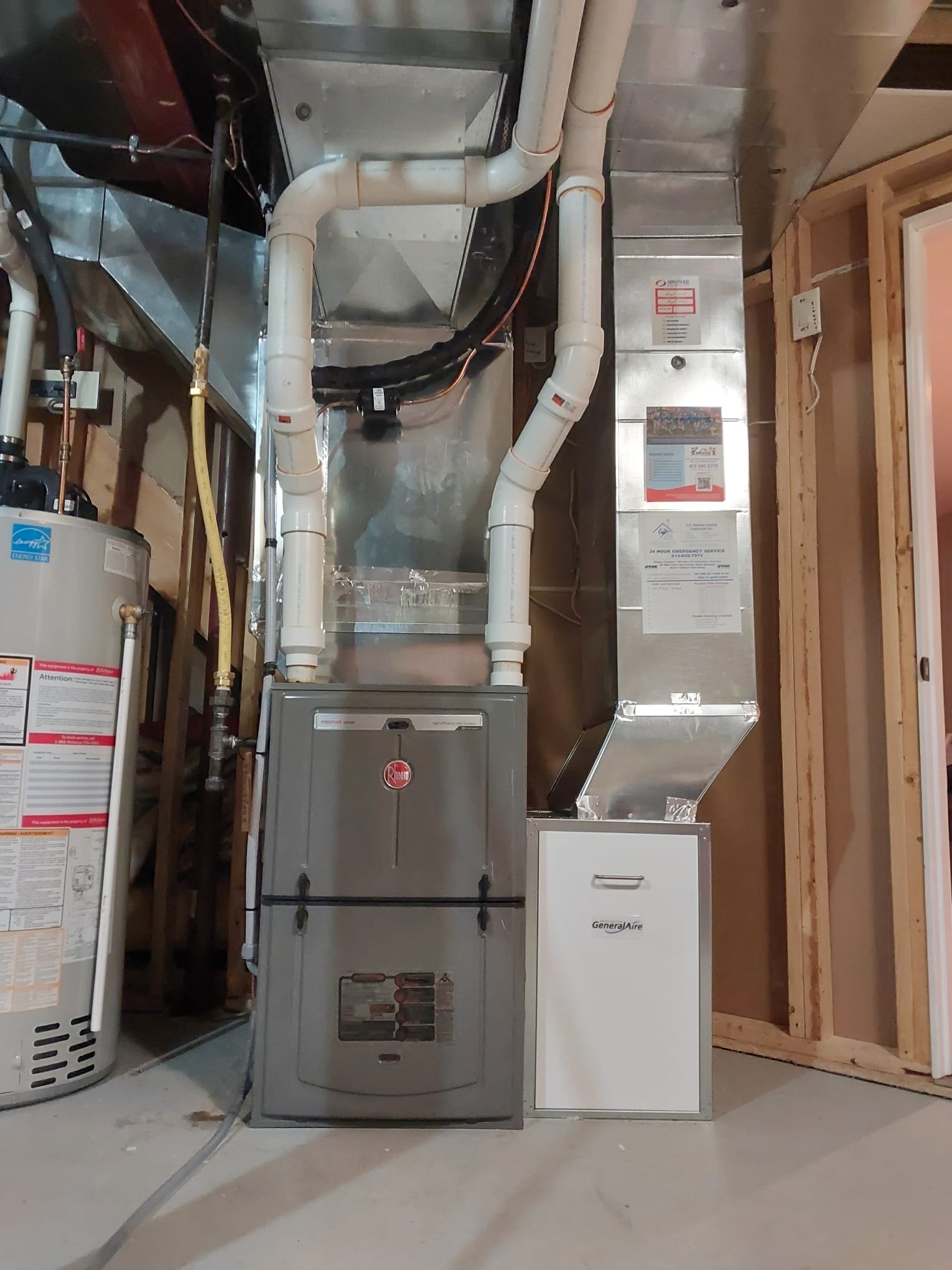
Furnace beside a filter cabinet, with white vent pipes and metal ductwork above.
Photo: AirZone HVAC Services. Representative installation.

Identify the installed filter system

Find the homeowner instructions for the furnace and any separate filter cabinet. Record the cabinet model and the recommended replacement filter. Keep a photograph of the packaging from a replacement that your technician has confirmed is suitable.

The old filter is a useful clue, but it may not be the right specification. If it was squeezed into place, left gaps or came with the house without documentation, ask for the correct replacement details rather than buying the same thing again.

Check how the filter actually sits

Follow the equipment's shutdown and access instructions before changing the filter. Never reach into a running furnace. The EPA's home air-cleaner guide recommends a snug fit without bending or crushing the filter, so air cannot simply pass around it.

Before ordering a large pack, check the replacement against the cabinet's requirements. Record the length, width and depth specified for that rack, along with any required product or media identifier. Do not trim a disposable filter, stack filters or force a deeper filter into a shallow slot to make a purchase work.

Treat particle capture and system compatibility together

MERV describes how effectively a filter captures specified particle sizes. It does not tell you whether that particular filter fits your cabinet or suits the airflow available in your home.

The EPA recommends choosing an efficient filter that the system fan and slot can accommodate, with professional guidance when needed. Ask your technician to name an appropriate replacement and explain whether a proposed upgrade needs an airflow check.

Make the next change easier

  • Keep the approved filter specification with the furnace records.
  • Follow the airflow arrow and the equipment's installation instructions.
  • Check that the access cover closes correctly after replacement.
  • Record the installation date and follow the recommended inspection and replacement schedule.

A calendar reminder is useful, but it should reflect the installed filter and household conditions. Ask whether renovation dust, pets or longer operating hours mean checking it sooner. Reusable media has its own cleaning instructions; disposable media should not be treated as washable.

If filter fit is awkward or airflow has changed, bring the packaging and your observations to an AirZone furnace service appointment. A clearly identified replacement takes the guesswork out of ordinary upkeep and helps prevent the same uncertainty at every filter change.

Sunday, October 18, 2026

Why the Thermostat Says 21°C but Your Room Feels Colder

The thermostat says the house has reached 21°C, yet the sofa feels like the coldest place in the room. Raising the setting may help for a while, but it leaves an important question unanswered: what temperature is the heating system actually responding to?

Technician placing an AirZone service label on metal ductwork beside indoor heating equipment.
Photo: AirZone HVAC Services. Representative installation.

Separate the target from the measured temperature

Start with the thermostat manual. Identify the requested temperature, the current reading and any symbol showing a call for heat. Photograph the display while the room feels uncomfortable. A target of 21°C does not establish that the air around the thermostat, or anywhere else in the home, has reached that temperature.

On some smart controls, the displayed reading combines more than one sensor. For example, ecobee explains that participating sensors contribute to a temperature average, and participation can change with the scheduled comfort setting. Check which rooms contribute before comparing the screen with a thermometer beside your chair.

Look at what surrounds the sensor

Walk past the thermostat at different times of day. Does afternoon sun reach it? Is there a nearby supply register, frequently opened exterior door or heat-producing appliance? Have you moved a lamp or installed shelving since the discomfort started?

Honeywell Home's installation guidance identifies direct sunlight, drafts, duct discharge and other local heat sources as influences to avoid. The correct position depends on the control and the home. Ask a technician to assess a suspect location rather than moving wiring or entering installer settings yourself.

Make a comparison that answers one question

If you already have a room thermometer, use it as a rough reference. Let it settle according to its instructions, away from direct sun and heat sources. Record its location and the time; a reading beside a cold window is different information from a reading in the middle of the occupied area.

  • Does the discrepancy occur all day or only during certain hours?
  • Is it one seating area, a whole room or most of the house?
  • Does it change when a door is normally open or closed?
  • Did it begin after a thermostat change, renovation or new schedule?

Use the observations to guide service

A consistently uncomfortable room deserves a wider assessment even when the thermostat reading is accurate. Ask the technician to distinguish a control or sensor issue from a room-comfort or air-distribution issue before recommending equipment.

For a system that is heating but needs its operation reviewed, AirZone's furnace service includes thermostat and comfort concerns. Tell the booking team if the home is actually losing heat so they can direct you to the appropriate diagnostic visit.

The useful outcome is a clear explanation of what the control measures and why the occupied room feels different. That gives any adjustment, repair or replacement a specific problem to solve.

Thursday, October 8, 2026

Five Records to Request Before an Ottawa Heat Pump Retrofit

By AirZone HVAC Services

Before choosing a heat pump for an Ottawa home, ask what the assessment will leave you with. A model number and an installed price are useful, but you also need to understand why that equipment fits the house and what work makes it possible.

These five records can make your conversation with a heat pump installer more productive. They need not arrive as a thick report. A clear summary, equipment data and an annotated layout can answer the questions that otherwise surface halfway through an installation.

1 Record the heating and cooling loads

Ask for the calculated heating and cooling requirements, the method used, and the indoor and outdoor design conditions. The old furnace rating or floor area alone does not describe what the home needs. Note whether the assessment reflects the house as it stands or includes planned insulation, window or air-sealing work.

Tell the assessor about an addition, finished basement or room that behaves differently from the rest of the house. Ask how that space was included. Natural Resources Canada’s homeowner guide explains why sizing should account for the climate, building loads and installation goals.

2 Match the equipment data to the heating plan

Keep the proposed outdoor-unit and indoor-equipment model numbers together. Ask the contractor to show how the selected combination’s available heating output compares with the home’s needs as outdoor temperatures fall. A minimum operating temperature does not establish that a unit can heat your entire house at that temperature.

The summary should also explain what provides heat when the heat pump cannot meet the load. If a furnace will remain, record how the equipment will be coordinated and what assumptions support that choice. NRCan’s sizing and selection toolkit includes a specifications worksheet that helps designers record these decisions.

3 Separate airflow findings from assumptions

For a ducted retrofit, ask how the required airflow was checked against the existing blower and duct system. Which findings are based on measurements, and which require further investigation? Have the contractor identify any proposed return-air, filter-cabinet or duct changes and explain the problem each change addresses.

NRCan notes that heat pumps generally require higher airflow than furnaces, so existing ducts deserve attention. That does not establish that your whole duct system needs replacement. Ask for the finding behind the recommendation. For a ductless layout, request a room-by-room explanation of which spaces each indoor unit is intended to serve.

4 Put the outdoor and electrical work on the layout

Walk through the proposed outdoor-unit location before agreeing to it. Mark the service space, manufacturer-required clearances, snow exposure and drainage route. Tell the contractor where roof runoff lands and where snow is normally piled. Ask how defrost water will be kept from creating an icing problem on a used walkway.

Include nearby bedroom windows and neighbouring properties in the discussion. The installer should review the location against Ottawa’s noise bylaw. Ask who is checking electrical capacity, what work is included and who handles any required notification. Ontario’s Electrical Safety Authority explains that a hired Licensed Electrical Contractor files the notification for their work.

5 Agree on the testing and handover record

Before installation day, ask what will be tested, recorded and explained after the equipment is connected. Request a handover that follows the selected manufacturer’s requirements, identifies the installed equipment and explains the controls, backup heating, filter care and maintenance access.

Keep that information with the manuals and warranty documents. Ask who you should contact if the system behaves differently from the explanation, and whether any testing needs a later visit because of outdoor conditions. This gives you a useful reference when heating season changes.

If an important item is still unknown, have it listed as a follow-up with a named person responsible. Confirm whether that finding could change the equipment choice, price or installation date. Resolving those open questions gives you a clearer basis for approving the work.

Keep any rebate paperwork separate from the technical assessment. Before accepting the quote, identify the program being relied on, its equipment requirements and any approval needed before purchase or installation. Keep written confirmation with the quoted model numbers, invoices and commissioning records. Our current Ottawa rebate guide explains the different program routes and which applications are open or closed. A contractor’s equipment assessment is not automatically the same as an EnerGuide evaluation or a program approval.

Bring your room-comfort notes and planned renovations to the assessment. AirZone’s heat pump installation service considers the home, equipment, airflow, electrical setup and outdoor placement together. The aim is to understand the proposed system well enough to make a considered decision before work begins.

Thursday, October 1, 2026

Hybrid Heating Switchover in Ottawa: When Should the Furnace Take Over?

On cool October mornings, an Ottawa hybrid system may heat the house with its heat pump, then bring on the furnace as outdoor temperatures fall or heating demand changes. That can be normal. An electric heat pump and a gas or propane furnace share the heating work according to the home's needs and the way the equipment is controlled.

The important question is why the change happens at that temperature. The answer involves heating capacity, running cost and the controls connecting the two appliances. The setting must work through autumn and colder winter weather; one generic temperature cannot suit every Ottawa home.

When the heat pump can no longer carry the heating load

As outdoor temperatures fall, your home needs more heat to maintain the same indoor temperature. Meanwhile, the heat pump's available output changes with outdoor conditions. The temperature where its heating capacity matches the home's heat loss is called the thermal balance point. Below that point, the heat pump alone cannot supply all the heat the house needs.

This is different from the manufacturer's lowest operating temperature. A unit may be permitted to run in very cold weather while producing less heat than your particular house requires. Its operating limit does not establish how far into an Ottawa winter it can heat the whole home by itself.

A sound design compares a current heat-loss calculation with cold-weather performance data for the installed outdoor unit and matched indoor equipment. The old furnace's size or the heat pump's nominal tonnage cannot answer that question. Insulation and air-sealing improvements can change the heating load, which is one reason two homes with similar equipment may need different changeover settings.

For a new hybrid system, this belongs in the heat pump installation design, alongside duct airflow, furnace compatibility and thermostat selection. Moving the switchover lower cannot create heating capacity the installed system does not have.

When the furnace costs less to run

A heat pump can still provide enough heat at a temperature where the furnace is less expensive to operate. That is the economic balance point, and it can differ from the thermal balance point. Prioritizing lower operating cost may therefore produce a different setting from prioritizing less furnace use.

The useful comparison is the cost of delivered heat. For a heat pump, the electricity price is divided by its coefficient of performance, or COP. A COP of three means the heat pump delivers three units of heat for each unit of electricity it uses. For the furnace, fuel cost must be converted to the same energy unit and adjusted for furnace efficiency.

The calculation needs current bills and the heat pump's performance at the temperatures being considered. A seasonal efficiency rating cannot replace that temperature-specific data. Consumption-based delivery charges and applicable taxes matter; fixed monthly charges that remain either way should be kept separate.

Natural Resources Canada's sizing and selection guide also explains how time-of-use electricity prices can change an economic switchover point. A fixed threshold can be a practical control strategy, but it cannot guarantee the cheapest heat during every rate period.

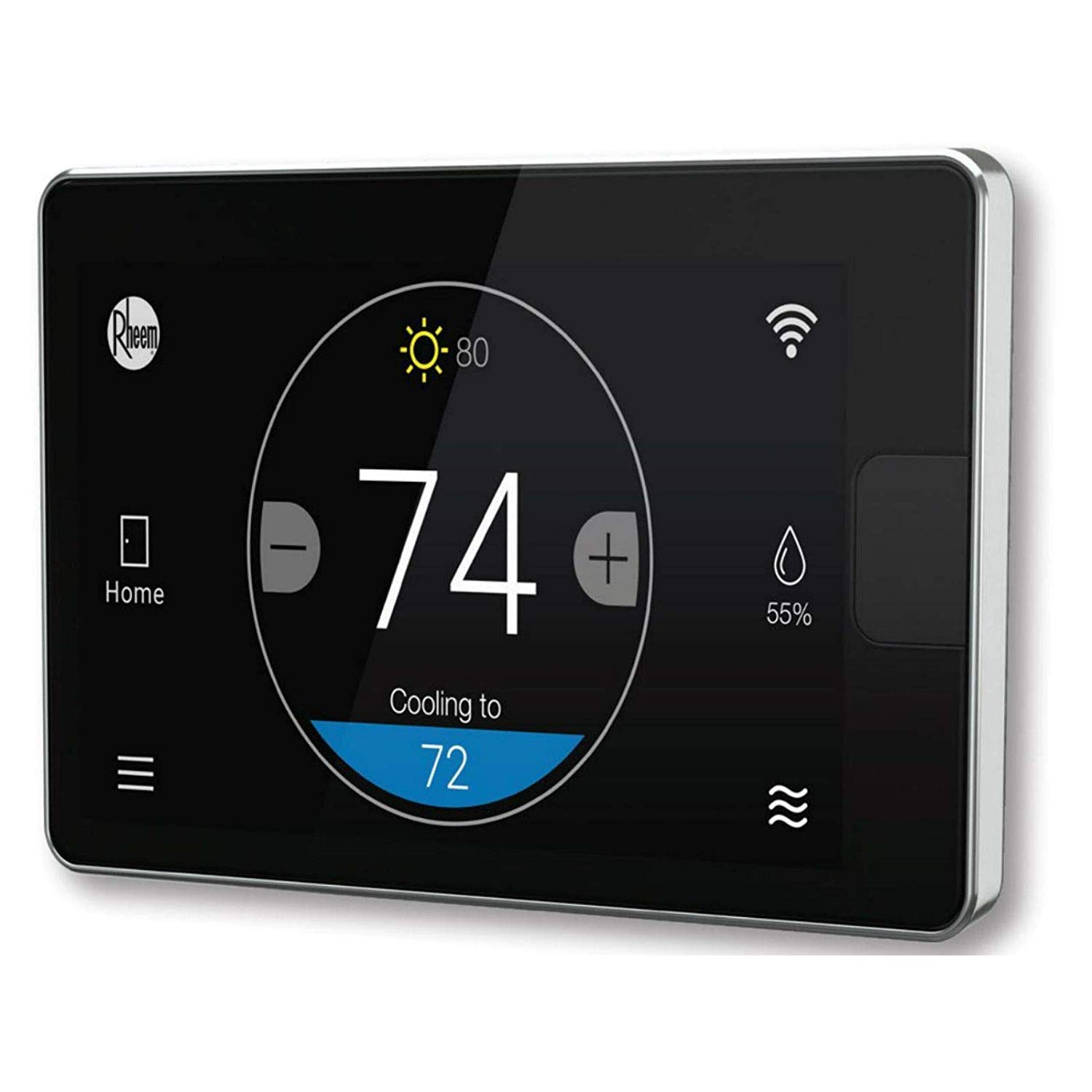
Rheem EcoNet thermostat product image
Rheem EcoNet thermostat. Display settings are illustrative, not a recommended switchover temperature. Image: AirZone HVAC Services.

Why the thermostat may bring the furnace on sooner

Outdoor temperature is only part of the control sequence. An inaccurate outdoor-temperature reading can affect the decision too. Depending on the system, the thermostat may also respond to how far the room temperature is below the setpoint and how long the equipment has been running. A large increase in the requested temperature, including recovery from an overnight setback, may call for furnace heat even when the heat pump would normally maintain the house on its own. If furnace use clusters around morning recovery, the schedule and staging deserve review first.

There can also be a deliberate pause between heat sources. For example, the Bosch BCC100 controls guide describes separate outdoor changeover, delay and staging settings. Those features illustrate why a thermostat default is not a complete heating strategy; other controls have their own operating logic.

Defrost is another temporary change in operation. An air-source heat pump uses defrost cycles to remove frost from its outdoor coil. What happens indoors during that cycle, including fan and backup-heat operation, depends on the equipment and its approved sequence. The installer needs to confirm whether one heat source must stop before the other starts, using the instructions for that exact equipment combination. Settings copied from another home may not suit your system.

Normal changeover or a heating problem?

Heat pump air may feel less hot than furnace air, and longer heating cycles can be normal. If the house holds its set temperature and the system follows its intended sequence, furnace operation by itself does not establish a fault. Light outdoor frost that clears during defrost can also be expected.

A diagnostic visit is warranted when you notice:

  • The indoor temperature keeps falling despite a call for heat
  • Heavy ice remains on the outdoor unit or heating repeatedly stops
  • Error codes, repeated breaker trips or a sudden, unexplained change in operation

For an operating system whose changeover needs review, AirZone's heat pump service covers thermostat staging, backup heat and balance-point settings. If the system is failing to heat, book a heat pump repair diagnostic so we can identify the cause before recommending an adjustment or repair.

Tell us when the change occurs and whether it follows a schedule adjustment. We can review the equipment and controls, explain when each heat source should run, and confirm whether the system is doing what your Ottawa home needs.

Monday, September 28, 2026

When Should You Turn On a Whole-Home Humidifier in Ottawa?

As Ottawa moves into heating season, indoor air often starts feeling noticeably drier. Furnaces begin running, windows stay closed, and homeowners may notice static shocks, dry skin, irritated throats, or hardwood floors and furniture reacting to lower humidity.

If your home has a furnace-mounted humidifier, late September is a good time to make sure it is ready. At AirZone HVAC Services, we install and service whole-home humidifiers for Ottawa homeowners who want more consistent winter humidity without relying on portable units in individual rooms.

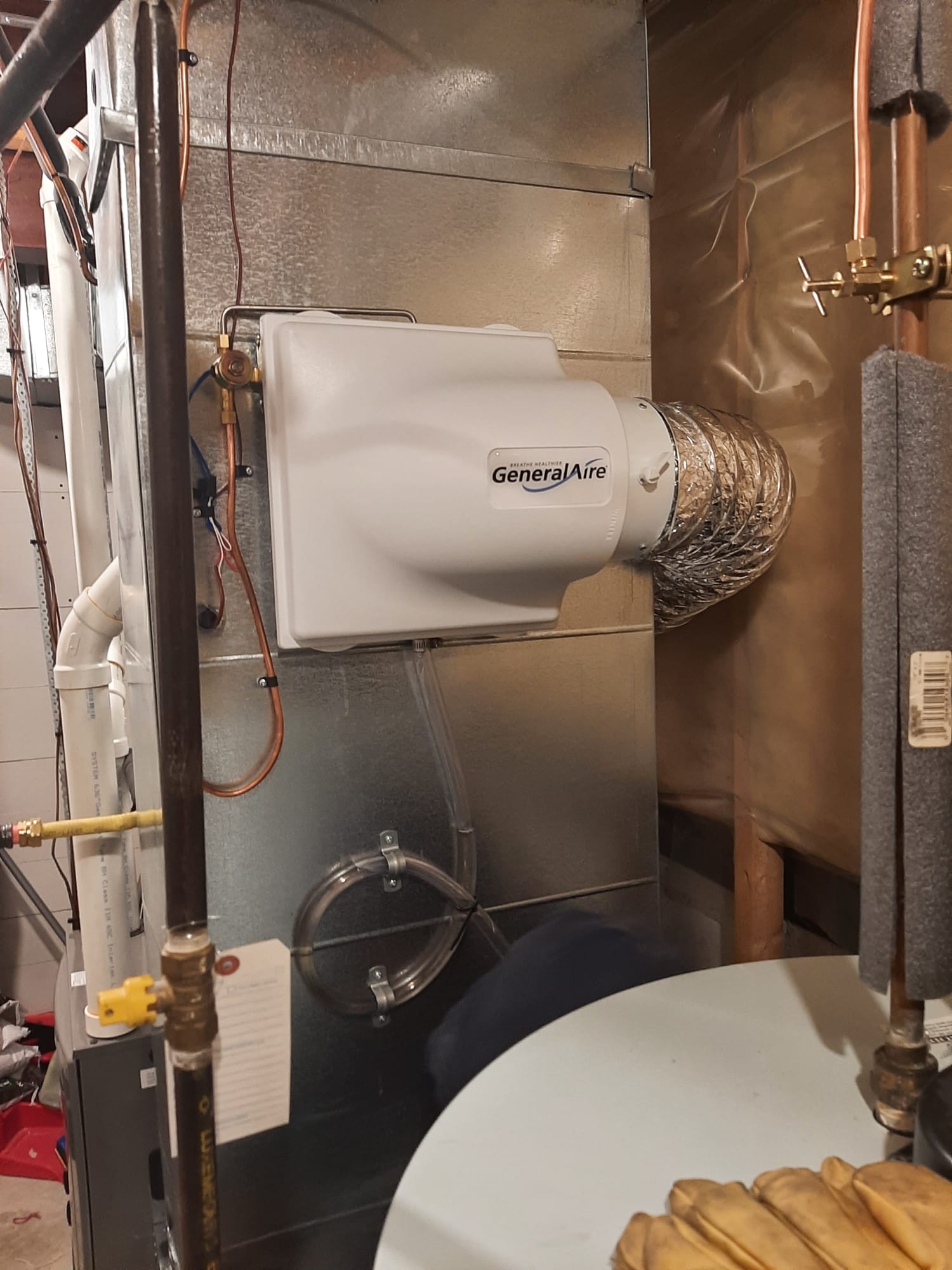
Whole-home GeneralAire furnace humidifier installed by AirZone HVAC Services in Ottawa

There Is No Single Calendar Date for Humidifier Season

Homeowners often ask exactly when a whole-home humidifier should be turned on. The answer is not tied to one date. The better signal is the start of regular heating and a noticeable drop in indoor relative humidity.

In Ottawa, that often happens during fall as outdoor temperatures decline and the furnace begins running more consistently. If the indoor air still feels comfortable and humidity is in a reasonable range, there is no benefit to forcing more moisture into the home simply because the calendar says September.

Once indoor humidity begins falling and the heating system is operating regularly, the humidifier can become a useful part of winter comfort.

Start Conservatively and Watch the Windows

More humidity is not always better. The right indoor humidity level changes with outdoor temperature, home construction, window quality, occupancy, and other moisture sources.

If indoor humidity is set too high during cold weather, condensation may appear on windows or other cold surfaces. That is a sign to reduce the setting and review the overall moisture balance in the home.

Rather than choosing one high setting and leaving it untouched all winter, adjust humidity according to conditions and follow the humidifier manufacturer's guidance. Some automatic controls can also adjust operation based on indoor humidity and outdoor temperature.

Check the Humidifier Before You Need It

A whole-home humidifier may sit unused through much of the cooling season. Before winter operation, check the visible condition of the unit and make sure it has not been accidentally left in a summer or bypass position.

Depending on the equipment, seasonal preparation may include replacing a water panel or pad, opening the water supply, setting the bypass damper correctly, checking the drain, and confirming that the humidistat or control responds properly.

If you are not familiar with the equipment, do not guess at plumbing, electrical, or internal furnace connections. A furnace service appointment is a good time to ask about humidifier condition and winter setup.

The Water Panel or Pad Matters

Many bypass and fan-powered whole-home humidifiers use a replaceable water panel or evaporative pad. Water flows across the media while air moves through the humidifier, allowing moisture to enter the airstream.

Mineral buildup can reduce how effectively the pad distributes water. The replacement schedule depends on the product, water quality, and use, so follow the manufacturer recommendations rather than waiting until the pad is completely blocked.

If the humidifier runs but indoor humidity never seems to improve, the pad, water flow, control, damper position, airflow, or equipment sizing may need to be checked.

Make Sure Water Is Draining Properly

Many whole-home humidifiers use a water supply and drain. A blocked drain or loose connection can create water around the furnace or ductwork, so check for visible leaks when the humidifier begins operating again.

Do not ignore water around HVAC equipment. Moisture can damage flooring, furnace components, finished spaces, and nearby materials. If you see an active leak, shut the humidifier off and arrange service.

Bypass, Fan-Powered, and Steam Humidifiers Work Differently

Whole-home humidifiers are not all the same. Bypass humidifiers use airflow and a pressure difference across the duct system to move air through the humidifier. Fan-powered models use an internal fan to move air across the water panel. Steam humidifiers create steam and introduce it into the ductwork.

Each design has different installation requirements, capacity, operating characteristics, and maintenance needs. The right system depends on the home, ductwork, heating equipment, desired humidity control, and budget.

If an older humidifier has never been able to keep the home comfortable, replacement should start with a review of the home rather than automatically installing another unit of the same type and size.

Humidity and Ventilation Need to Work Together

A humidifier adds moisture. An HRV or ERV exchanges indoor and outdoor air. Cooking, showers, occupants, plants, basement moisture, bathroom fans, and the home's natural air leakage all affect the final indoor humidity level.

That means a humidifier should not be adjusted without paying attention to what the rest of the home is doing. If windows are dripping with condensation while the humidifier is running, the setting may be too high or another moisture issue may be present.

If the house remains extremely dry even with the humidifier operating, the humidifier may need service, the equipment may be undersized, or the home may have other conditions affecting moisture retention.

A Furnace Tune-Up Is a Good Time to Ask About Humidity

Whole-home humidifiers are commonly connected to forced-air heating systems, so furnace maintenance is a natural time to bring up winter humidity concerns.

During furnace service in Ottawa, tell the technician if the home was too dry last winter, if the humidifier leaked, if the control seemed unresponsive, or if you had persistent window condensation. Those details can help identify whether the humidifier needs maintenance, adjustment, repair, or replacement.

When a New Whole-Home Humidifier Makes Sense

Portable humidifiers can help individual rooms, but they require frequent filling and cleaning and do not provide the same whole-home approach. Homeowners who deal with dry air throughout the house may prefer a furnace-mounted system that works with the HVAC equipment.

A whole-home humidifier may be worth considering if winter dryness is persistent, the existing unit is no longer reliable, or the home has never had central humidity control. The installation should account for available duct space, furnace setup, water and drainage access, electrical requirements, and the amount of moisture the home actually needs.

Prepare Before Ottawa's Air Turns Very Dry

The best time to discover that a humidifier needs a pad, drain repair, control adjustment, or replacement is before the middle of winter. Check the equipment as heating season begins, start with a conservative humidity setting, and watch how the home responds as outdoor temperatures fall.

AirZone HVAC Services helps Ottawa homeowners with whole-home humidifier installation, service, winter setup, and related furnace and indoor air quality concerns. Proper humidity control is not about making the house as humid as possible. It is about finding a comfortable level that fits the home and the weather outside.

Monday, September 21, 2026

HRV vs ERV for Ottawa Homes: What Changes When Windows Close

Early fall is when many Ottawa homes begin closing windows for longer stretches of the day. Once that happens, indoor air depends more on the home's mechanical ventilation system instead of natural airflow through open windows and doors.

That makes September a useful time to think about HRVs and ERVs. At AirZone HVAC Services, we install, replace, balance, maintain, and repair HRV and ERV systems for Ottawa homes. The two types of ventilators have a similar basic job, but they manage moisture differently, which is why the right choice depends on the home rather than a simple rule.

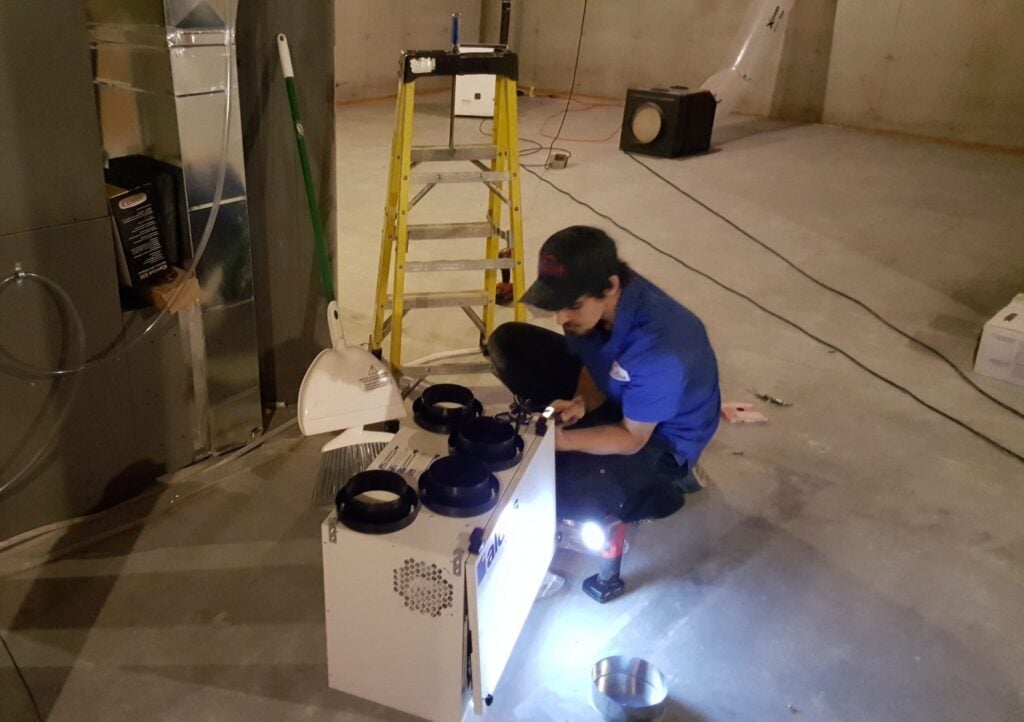
AirZone HVAC technician working on a whole-home HRV ventilation system

What an HRV and ERV Have in Common

Both a heat recovery ventilator and an energy recovery ventilator provide controlled fresh-air exchange. Stale indoor air is exhausted while outdoor air is brought into the home, and the two air streams pass through a recovery core without simply mixing together.

The recovery process helps reduce the amount of heating or cooling energy that would otherwise be lost if outdoor air were brought directly into the home without any energy transfer.

In a well-designed system, ventilation can help manage stale air, cooking and household odours, excess moisture, and the buildup of indoor pollutants while maintaining better efficiency than simply leaving windows open all winter.

The Main Difference Is Moisture Transfer

An HRV transfers heat between the outgoing and incoming air streams but does not intentionally transfer humidity through the core. An ERV transfers heat and also transfers a portion of the moisture between the two air streams.

That difference is important, but it does not mean that an HRV is always better for one type of homeowner and an ERV is always better for another. Occupancy, indoor humidity patterns, home construction, ventilation design, existing equipment, and year-round comfort goals all matter.

This is why a proper recommendation should start with the home. AirZone's detailed HRV and ERV comparison guide explains the basic operating differences for homeowners who want to understand the systems before requesting a quote.

Why Closed-Window Season Changes the Conversation

During summer, homeowners may naturally introduce fresh air by opening windows. As outdoor temperatures fall, windows remain closed and the home becomes more dependent on controlled ventilation.

Newer and renovated homes can be especially airtight. That is good for energy efficiency, but it also reduces uncontrolled air leakage. Without proper ventilation, cooking, showers, cleaning products, pets, occupants, and normal daily life can all contribute to indoor moisture and stale air.

An HRV or ERV is designed to provide a more predictable way to exchange air without giving up all the energy already used to condition the home.

Window Condensation Is Useful Information

Condensation on windows during cold weather often indicates that indoor moisture is high relative to the outdoor temperature and the temperature of the glass. It can be a useful clue, but it does not automatically tell you that the HRV or ERV is the problem.

Indoor humidity can be affected by cooking, showers, number of occupants, basement moisture, humidifier settings, drying clothes indoors, ventilation rates, and outdoor weather. Window quality and surface temperature also matter.

If condensation becomes persistent or excessive, look at the whole moisture picture rather than simply turning the ventilation system to maximum. Too much ventilation can create its own comfort and efficiency problems.

Fall Is a Good Time to Check Filters and Exterior Hoods

HRV and ERV filters can collect dust and debris over time. Homeowners should follow the manufacturer's instructions for filter access and cleaning. If filters are dirty, airflow through the unit can be reduced.

Exterior intake and exhaust hoods also need to remain clear. Leaves, insects, lint-like debris, and later snow or ice can interfere with airflow. Check the outdoor terminations before winter and keep the area around them unobstructed.

The recovery core may also need periodic cleaning, but care varies by manufacturer and core type. Follow the equipment manual rather than assuming every HRV or ERV core is cleaned the same way.

Check the Drain Before Winter

Many HRVs produce condensate during cold-weather operation and rely on a drain to remove that moisture. A blocked, disconnected, or improperly sloped drain can create leaking around the unit.

Before heating season, look for signs of water staining, disconnected tubing, or obvious drainage concerns around the ventilator. If the unit leaks during operation, stops moving air, or develops repeated frost problems, it should be professionally inspected.

Airflow Balancing Matters

An HRV or ERV should not simply move as much air as possible. Balanced ventilation means the supply and exhaust airflow are set appropriately for the home and the system design.

If airflow is poorly balanced, homeowners may experience pressure problems, drafts, poor ventilation performance, or unexpected moisture behaviour. Changes to ductwork, renovations, replacement equipment, or control settings can also affect the way the ventilation system performs.

Professional airflow balancing is especially important when a new HRV or ERV is installed or when an existing system no longer seems to ventilate the home properly.

Do You Need an HRV or an ERV?

There is no universal answer for every Ottawa home. An HRV may make sense in one house, while an ERV may be the better fit in another. The decision should consider winter humidity, summer humidity, occupancy, home tightness, ventilation needs, existing ducts, and how the homeowner wants the system to perform through the year.

If an existing ventilator is old, noisy, leaking, difficult to control, or no longer moving air effectively, replacement may also be worth discussing rather than automatically installing the same type again.

AirZone can review HRV and ERV installation, replacement, maintenance, repair, and airflow balancing based on the actual home rather than a one-size-fits-all recommendation.

Ventilation Is Part of the Whole HVAC System

Ventilation does not operate in isolation. Furnace airflow, filters, humidifiers, thermostats, bathroom exhaust, kitchen use, and household moisture all influence indoor comfort.

This becomes more noticeable as Ottawa moves from open-window weather into heating season. If the home starts to feel stale, excessively dry, unusually humid, or uncomfortable after windows close, consider how the ventilation system is operating before assuming the furnace or thermostat is the only factor.

A properly selected and maintained HRV or ERV can provide controlled fresh air while helping retain energy through Ottawa's long heating season. September is a good time to check the system before cold weather makes ventilation and moisture management more important every day.

Monday, September 14, 2026

Heat Pump Heating Season: What Ottawa Homeowners Should Check in September

September is a transition month for Ottawa HVAC systems. One week your heat pump may still be cooling the home, and the next it may be handling cool mornings and overnight heating. That ability to move between cooling and heating is one of the advantages of a heat pump, but it also means the equipment can work through more of the year than a traditional air conditioner.

At AirZone HVAC Services, we recommend using the shoulder season to make sure a heat pump is ready for heating duty. A few homeowner checks, combined with professional maintenance when it is due, can help uncover problems before colder weather puts greater demand on the system.

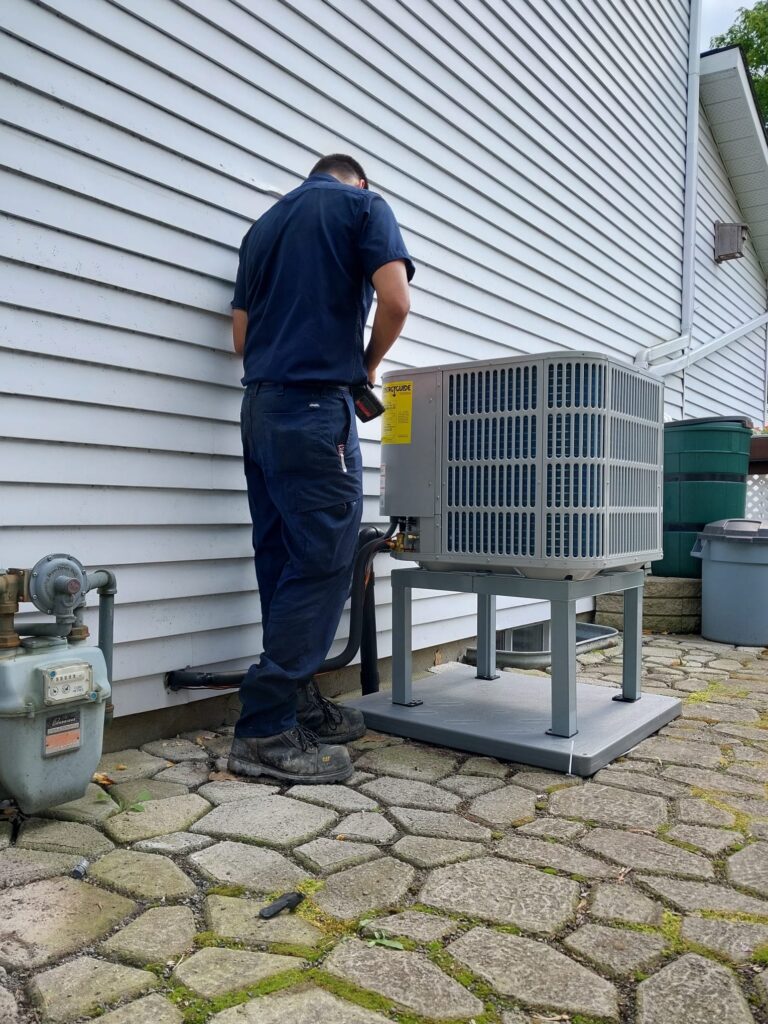
AirZone HVAC technician checking a heat pump at an Ottawa area home

Do Not Shut the Heat Pump Down Just Because Summer Is Over

A heat pump is not simply an air conditioner that should be switched off at the end of summer. The same system can reverse operation and provide heating as outdoor temperatures fall.

If you have a cold-climate or hybrid heat pump system, the controls are designed to determine how the heat pump and backup heating equipment should work together. Homeowners generally should not cover the outdoor unit or manually disable it just because the furnace begins operating during colder conditions.

If you are unsure how your particular system is supposed to transition between heat pump and furnace operation, September is a good time to ask. Understanding the controls before winter makes the system much easier to live with.

Clear Leaves and Debris From the Outdoor Unit

Fall leaves can collect around outdoor equipment quickly. A heat pump needs open airflow around the coil and fan, so keep leaves, weeds, grass, and stored items away from the unit.

Do not wrap or permanently cover a heat pump that will operate during heating season. Unlike an air conditioner that may sit idle all winter, a heat pump needs access to outdoor air while it is heating the home.

Later in the season, snow should also be kept from building up around the unit. The outdoor coil needs space to exchange heat and the unit needs proper drainage during normal defrost cycles.

Check Filters and Indoor Airflow

Heat pump performance depends heavily on airflow. A clogged filter can reduce comfort and make the system work harder. Check the filter before heating season and replace it when needed according to the equipment and filter type.

If you have a ducted heat pump connected to a furnace or air handler, make sure supply vents and return grilles are open and unobstructed. If you have ductless equipment, clean the accessible indoor-head filters according to the manufacturer instructions.

Weak airflow, unusual odours, or a ductless head that looks visibly dirty may indicate that the system needs more than a basic homeowner cleaning.

Test Heating Before the First Cold Night

Do not wait until the house is uncomfortable to find out whether heating mode works. Choose a cool September morning, set the thermostat to heat, and give the system time to respond.

Heat pump supply air can feel different from the very hot air produced by a gas furnace. That does not automatically mean the system is malfunctioning. What matters is whether the heat pump can steadily warm the home and maintain the thermostat setting under appropriate conditions.

If the system runs but cannot raise the indoor temperature, produces an error code, trips a breaker, or repeatedly stops, arrange a diagnostic visit rather than continuing to reset it.

Review Thermostat and Hybrid-System Settings

Hybrid systems combine a heat pump with a furnace or other backup heat source. The thermostat or control system determines when each piece of equipment operates.

Those settings matter. If the furnace runs constantly during mild weather, the heat pump never seems to operate in heating mode, or the home becomes uncomfortable during equipment transitions, the controls may need to be reviewed.

Homeowners should avoid changing advanced balance-point or equipment-staging settings without understanding the system design. A properly configured hybrid system should coordinate the equipment automatically.

Some Frost Is Normal; Heavy Ice Is Not

During cold and damp weather, frost can form on an outdoor heat pump coil. The system is designed to periodically enter a defrost cycle to clear normal frost buildup.

A light coating that clears during normal operation is very different from an outdoor unit that becomes encased in heavy ice or stays frozen for long periods. Persistent ice can point to defrost, airflow, drainage, refrigerant, sensor, fan, or other operating problems.

If the unit develops heavy ice, do not chip at the coil with tools. That can damage the equipment. A system that is not defrosting normally should be professionally checked.

Ductless Heat Pumps Need Indoor-Head Attention Too

For ductless systems, the outdoor unit is only half of the maintenance picture. Each indoor head has filters, a coil, a blower wheel, and drainage components that affect airflow and comfort.

Homes with several ductless heads may need more maintenance time because every zone has its own indoor components. Bedrooms, basements, additions, and other frequently used zones can collect dust and buildup differently.

If a head has weak airflow, a musty odour, visible buildup, or water leakage, mention the specific zone when booking service. That information helps determine whether routine maintenance or deeper cleaning is more appropriate.

Maintenance and Repair Are Different Appointments

Heat pump maintenance is preventative care for equipment that is still operating. A fall service visit can review filters, accessible coils, outdoor unit condition, drainage, electrical components, controls, refrigerant performance, and heating operation where conditions allow.

If the system is not heating, is leaking water, repeatedly tripping a breaker, producing an error code, making a new mechanical noise, or developing heavy ice, book heat pump repair in Ottawa instead. An active failure needs diagnosis first.

That distinction is especially useful in September, when there is still time to resolve a concern before the system becomes an important part of daily heating.

Know What Your Heat Pump Is Expected to Do in Winter

Not every heat pump system is designed or configured the same way. Some Ottawa homes use a cold-climate heat pump as a major heating source. Others use a hybrid setup where the furnace takes a larger role as temperatures fall.

Equipment model, home heat loss, ductwork, thermostat setup, backup heat, and system design all affect how the system should operate. This is why a neighbour's settings or operating strategy may not be right for your home.

If you are still deciding how a heat pump should fit into your long-term heating plan, AirZone also provides information on cold-climate and hybrid heat pump options for Ottawa homes.

September Is an Ideal Time for the Heating Transition

The shoulder season gives homeowners a useful testing window. Clear the outdoor unit, check filters, confirm heating mode, and pay attention to how the controls manage the system. If professional maintenance is due, schedule it before the first sustained cold weather.

AirZone HVAC Services works with ducted, ductless, cold-climate, and hybrid heat pumps throughout Ottawa. A system that has been checked before winter has a better chance of moving smoothly from summer cooling into dependable fall and winter heating.

Monday, September 7, 2026

What to Check Before Turning Your Furnace On This Fall

After months of air conditioning and open-window weather, the first cool September morning often sends Ottawa homeowners to the thermostat. The furnace starts for the first time in months, and suddenly every sound, smell, and airflow change gets your attention.

That first heating cycle is a useful opportunity to notice whether the system seems ready for another Ottawa winter. At AirZone HVAC Services, we recommend dealing with preseason furnace concerns while the weather is still mild, rather than waiting until the first cold stretch when reliable heat becomes urgent.

Gas furnace and whole-home HVAC equipment installed by AirZone HVAC Services in Ottawa

Start With the Thermostat and Furnace Filter

Before turning the furnace on, make sure the thermostat is set to heating mode and the temperature setting is reasonable. If you use a smart thermostat, check schedules, eco settings, and any seasonal automations that may still be configured for summer.

The furnace filter is also worth checking before the first heating cycle. A heavily loaded filter can restrict airflow, make the blower work harder, and contribute to uneven heating or overheating concerns. If the filter is visibly dirty or due for replacement, change it before the furnace begins running regularly.

Once the system starts, make sure air is moving from the supply vents and that return-air grilles are not blocked by furniture, rugs, storage, or other household items. Good airflow matters throughout the heating season.

A Brief Dusty Smell Can Be Normal

Many homeowners notice a dusty smell when the furnace runs for the first time after sitting unused through the summer. Dust can settle on surfaces around the heating system and produce a temporary odour when the equipment first warms up.

A mild dusty smell that fades fairly quickly is different from a strong burning, electrical, smoky, or gas-like odour. If a smell is intense, persistent, or concerning, turn the system off and arrange professional service. Suspected gas leaks should always be treated as an urgent safety issue rather than a normal furnace startup concern.

The first cycle is also a good time to confirm that your carbon monoxide alarms are working and have not reached the end of their recommended service life.

Listen to How the Furnace Starts

You probably know the normal sounds your HVAC system makes. Pay attention if the first heating cycle includes new banging, grinding, squealing, rattling, repeated clicking, or unusually loud humming.

Some noises can come from ductwork expanding as it heats up, but mechanical or electrical sounds that continue should be checked. A furnace may still produce heat while a blower, motor, ignition component, or other part is beginning to fail.

Taking care of a new noise in September is usually much easier than discovering the same problem during a January cold snap.

Check the Air Coming From the Vents

Once the furnace has had time to complete its startup sequence, the air from the vents should feel warm and the home should begin heating normally. If the blower is running but the air remains cool, the furnace may not be completing the heating cycle correctly.

Weak airflow is another warning sign. One room being slightly different from another does not automatically mean the furnace is failing, but a major change from last winter deserves attention. Dirty filters, blower problems, duct restrictions, closed vents, or equipment issues can all affect how heat moves through the home.

If the same bedrooms, basement areas, or additions were uncomfortable last winter, mention that during a preseason service visit. The issue may involve the furnace, but it may also involve airflow or the way the home distributes conditioned air.

Watch for Short Cycling

A healthy furnace should not repeatedly start, shut down, and restart every few minutes under normal conditions. This behaviour is commonly called short cycling.

Short cycling can have several causes, including airflow restrictions, thermostat problems, overheating, equipment sizing, control issues, or a component that is not operating correctly. Because several different conditions can produce the same symptom, repeated short cycling is something to diagnose rather than guess at.

If you notice the furnace cycling unusually often during the first few days of fall, do not assume it will correct itself when colder weather arrives.

Do Not Ignore Error Codes or Repeated Resets

Many modern furnaces provide diagnostic information through flashing lights, thermostat messages, or equipment error codes. If your furnace shows a code, take a photo or write it down before resetting the system.

A single reset may restore operation, but repeatedly resetting a furnace is not a repair. The code can help a technician understand what the system detected and narrow down the cause of the problem.

If the furnace repeatedly locks out, loses heat, or needs manual resets to stay running, it is time for a diagnostic visit rather than routine maintenance.

Check Exterior Furnace Venting

High-efficiency furnaces often use exterior intake and exhaust pipes. Before heating season, look at the exterior terminations and make sure they are not blocked by leaves, landscaping, stored items, insect nests, or other visible debris.

Once winter arrives, these areas also need to remain clear of snow and ice. Homeowners can keep the surrounding area open, but venting changes, internal furnace work, combustion concerns, or gas-related repairs should be left to trained professionals.

Know When You Need Service and When You Need Repair

If your furnace starts normally, produces heat, and is due for annual maintenance, preseason furnace service is the right appointment. A maintenance visit can review system operation, airflow, filter condition, controls, cleanliness, and visible concerns before the system begins working every day.

If the furnace is not heating, will not start, blows cool air, displays recurring fault codes, makes loud new noises, or will not stay running, book furnace repair in Ottawa instead. An active problem needs diagnostic work before normal maintenance makes sense.

Choosing the correct appointment helps the technician arrive prepared for what the furnace is actually doing.

An Older Furnace Is Worth Reviewing Before Winter

The first fall startup can also be a reminder that the furnace is getting older. Age alone does not mean a system should be replaced, but recurring repairs, rising operating costs, uneven heating, unusual noise, or unreliable operation can change the calculation.

If the furnace barely made it through last winter, September is a better time to compare options than the middle of a no-heat emergency. You have time to review equipment, ask about airflow and sizing, consider whether a heat pump belongs in the overall system plan, and schedule installation without the same pressure created by extreme cold.

AirZone HVAC Services helps Ottawa homeowners prepare furnaces for heating season with maintenance, diagnostic repair, and practical replacement advice. Turn the furnace on before you truly need it, pay attention to what it tells you, and deal with warning signs while the weather is still on your side.

Monday, August 31, 2026

Why Ottawa Homeowners Compare Furnaces and Heat Pumps Together

When Ottawa homeowners start planning a furnace replacement, it is easy to focus only on the furnace. That makes sense because the furnace is the main winter heating system in many homes. However, if the air conditioner is also aging, comfort has been uneven, or rebates are part of the conversation, it may be smarter to compare the furnace and heat pump options together.

At AirZone HVAC Services, we help homeowners look at the full comfort system instead of treating each piece of equipment as a separate decision. A furnace, heat pump, indoor coil, thermostat, ductwork, and airflow setup all work together. Planning them together can make the final result more comfortable, efficient, and practical for the home.

Furnace and heat pump compatible heating system installed by AirZone HVAC Services in Nepean

Furnace Replacement Is Often a System Decision

A furnace replacement can look simple from the outside. The old furnace comes out, a new furnace goes in, and the home has heat again. In reality, the furnace is only one part of the comfort system.

The furnace blower may also move cooled air during summer. The ductwork affects heating and cooling comfort. The thermostat controls staging and operation. The indoor coil may matter if the air conditioner or heat pump is being replaced. If these pieces are not reviewed together, the homeowner may miss an opportunity to make a better long-term decision.

This is especially important if the existing equipment is old or mismatched. Replacing one part of the system without thinking about the rest can limit future options or create duplicated work later.

Why Heat Pumps Enter the Conversation

A heat pump can provide cooling in summer and heating support during milder weather. For many Ottawa homes, that makes it worth discussing when the furnace or air conditioner is already due for replacement.

This does not mean every home should automatically choose a heat pump. The right answer depends on the home, existing ductwork, electrical setup, fuel source, equipment age, rebate timing, comfort goals, and budget. However, the option should be reviewed before a homeowner commits to another cooling-only air conditioner or a furnace-only replacement.

Homeowners can learn more about AirZone’s heat pump installation in Ottawa when comparing whether a heat pump belongs in the overall replacement plan.

A Hybrid System Can Offer Flexibility

A furnace and heat pump combination is often described as a hybrid comfort system. In simple terms, the heat pump can provide cooling and heating support when conditions are suitable, while the furnace remains available for colder winter conditions.

This type of setup can be appealing because it gives the homeowner more than one way to heat the home. Instead of relying on only one piece of equipment for every condition, the system can be planned around seasonal performance, comfort, and backup heating needs.

For Ottawa homeowners, that flexibility can matter. Fall and spring weather often includes mild days, cool nights, and changing comfort needs. A heat pump can be useful during those shoulder seasons, while the furnace is still there when colder weather requires dependable heat.

The Air Conditioner Age Matters

If the air conditioner is newer, a furnace-only replacement may be the most practical path. There may be no reason to replace cooling equipment that is still reliable and properly matched to the home.

If the air conditioner is older, the conversation changes. Replacing the furnace now and the air conditioner shortly after may create duplicated labour, repeated disruption, and missed planning opportunities. In that situation, comparing a furnace and heat pump package may be worth considering.

This is not about replacing equipment before it is necessary. It is about understanding the full timeline. If both systems are aging, planning them together may create a cleaner and more strategic upgrade.

Comfort Problems Should Be Reviewed Before Equipment Is Chosen

Some homeowners are not only replacing equipment because it is old. They are replacing it because the home is uncomfortable. Rooms may heat unevenly, the second floor may be difficult to cool, the basement may feel different from the main level, or the system may be loud and inconsistent.

Those comfort issues should be discussed before choosing a new furnace or heat pump. A more advanced furnace, variable-speed blower, properly matched heat pump, better thermostat setup, or airflow review may help improve the final result.

Simply choosing the lowest furnace quote may not address the reason the homeowner started looking for replacement in the first place. Comfort planning should be part of the quote process.

Rebates Can Affect the Best Path

Rebates and incentive programs can influence the best HVAC replacement path. In many cases, rebates are more closely tied to eligible heat pump equipment than to a standalone furnace replacement. That means a homeowner replacing a furnace may want to ask whether adding or comparing a heat pump changes the project value.

Program rules can change, and eligibility depends on the home, equipment, timing, and active requirements. That is why rebate conversations should happen before installation, not after the equipment is already installed.

AirZone maintains a page for current Ottawa HVAC rebates so homeowners can start reviewing available options before choosing a furnace, air conditioner, heat pump, ductless system, or hybrid comfort system.

Financing May Also Change the Timing

Some homeowners prefer to replace one piece of equipment at a time because of budget. Others may decide that a larger planned project makes more sense if financing is available.

Financing can help homeowners compare the real project value instead of choosing a short-term fix that may not meet long-term needs. This is especially relevant when both the furnace and air conditioner are aging or when the homeowner wants to include a heat pump in the system plan.

AirZone’s HVAC financing options can be reviewed as part of a quote conversation for qualifying homeowners who want to compare replacement paths more comfortably.

Installation Details Still Matter Most

Even the right equipment can disappoint if it is not installed properly. Furnace and heat pump systems require careful attention to sizing, ductwork, airflow, electrical requirements, thermostat controls, drainage, venting, and start-up setup.

A hybrid system also needs to be planned so the equipment works together properly. The homeowner should understand how the heat pump and furnace will be used, what role each piece of equipment plays, and how the system will be controlled.

This is where a local HVAC contractor matters. Ottawa homes vary widely, and the right recommendation should reflect the actual home rather than a generic equipment package.

When a Furnace-Only Replacement Still Makes Sense

A furnace and heat pump package is not automatically the best answer. If the furnace is old but the air conditioner is newer, the budget is focused, or the homeowner wants the simplest replacement path, a furnace-only installation may still be the right choice.

A properly selected high-efficiency furnace can provide dependable winter heating when installed correctly. The key is to make that decision after understanding the alternatives, not before.

For homeowners who want to keep the project focused, AirZone can still provide furnace installation in Ottawa with attention to sizing, venting, airflow, thermostat setup, and long-term support.

Compare Before You Commit

The best time to compare furnace and heat pump options is before a no-heat emergency. A planned review gives homeowners time to ask questions, understand the equipment, review rebates, compare financing, and choose the path that fits the home.

If your furnace is older, your air conditioner is also nearing replacement, or you want a system that supports both heating and cooling comfort, it is worth discussing the full system before making a final decision.

AirZone HVAC Services helps Ottawa homeowners compare furnace replacement, heat pump installation, hybrid comfort systems, rebates, financing, and long-term maintenance support. The right answer may be a furnace-only replacement, a heat pump addition, or a full planned upgrade. The important part is making that decision with the full home in mind.

Monday, August 24, 2026

Should You Repair or Replace Your Furnace Before Winter?

When a furnace starts acting up before heating season, Ottawa homeowners often face a difficult decision. Is it worth repairing the system for another winter, or is it time to replace it before the cold weather arrives? The answer depends on the age of the equipment, the type of problem, the cost of repair, and how reliable the furnace has been over the last few seasons.

At AirZone HVAC Services, we help homeowners make practical heating decisions before they become emergencies. Some furnace problems can be repaired affordably. Others are signs that the system is becoming unreliable, inefficient, or too expensive to keep maintaining.

Gas furnace installation in Ottawa by AirZone HVAC Services

Start With the Furnace Age

Age is one of the first things to consider when deciding between furnace repair and replacement. A newer furnace with one isolated issue may be a good repair candidate. If the system has otherwise been dependable, repairing the specific problem can make sense.

An older furnace deserves a closer review. Even when it still runs, older equipment may become louder, less efficient, harder to service, or more likely to break down during heavy winter use. A repair may restore heat temporarily, but it may not solve the larger reliability concern.

The goal is not to replace equipment too early. The goal is to avoid putting more money into a furnace that is already close to the end of its useful life.

Look at the Type of Furnace Problem

Not every furnace problem is equal. A dirty flame sensor, thermostat issue, clogged filter, or small component failure may be repairable without replacing the entire system. In those cases, a diagnostic visit can identify the issue and help restore proper operation.

More serious symptoms deserve a wider conversation. Repeated shutdowns, frequent error codes, loud operation, weak heating, overheating, short cycling, or repeated no-heat calls can point to a system that is becoming less dependable.

If the same problem keeps returning, homeowners should ask whether the repair is solving the real issue or only keeping the furnace running for a little longer.

Repair Cost Should Be Compared With Replacement Value

A low-cost repair on a reliable furnace may be an easy decision. A major repair on an older furnace is different. When the repair cost becomes significant, it is worth comparing that expense against the value of installing a new system.

This is especially true when the furnace has already needed service several times. Multiple smaller repairs can add up quickly, and homeowners may still end up replacing the system later in the season.

A good HVAC recommendation should explain the repair clearly, outline the expected value of that repair, and help the homeowner understand whether replacement should be considered instead.

Comfort Problems Can Change the Decision

A furnace can turn on and still fail to keep the home comfortable. Uneven heating, cold rooms, weak airflow, long run times, or noisy operation can all affect the repair-or-replace decision.

Sometimes these problems are caused by a repairable issue. Other times, the furnace may be poorly matched to the home, the ductwork may be restrictive, or the equipment may no longer be performing well enough for Ottawa winters.

Replacing a furnace should not be treated as a simple box swap when comfort problems are involved. The home’s airflow, ductwork, thermostat, filtration, and heating expectations should be reviewed before choosing new equipment.

Furnace Service May Be Enough for a Working System

If the furnace is still working and there are no active failure symptoms, preseason maintenance may be the right next step. A professional furnace service visit in Ottawa can help review operation before the system is needed every day.

Service is useful for checking general condition, airflow, ignition, thermostat response, safety-related components, and signs of wear. It can also give homeowners a better understanding of whether the furnace appears ready for another heating season.

Maintenance is not the same as repair. If the furnace is already failing, blowing cool air, showing error codes, or shutting down, a diagnostic repair appointment is the better starting point.

Replacement Makes Sense When Reliability Is Gone

Furnace replacement becomes more practical when reliability is the real issue. If the system has become unpredictable, it may not be worth carrying into another winter without a plan.

Ottawa heating season can be demanding. A furnace that barely made it through last winter may not perform better after sitting unused through the summer. If the system needed repeated resets, emergency service, or expensive parts, homeowners should review replacement options before cold weather creates urgency.

AirZone provides furnace installation in Ottawa for homeowners who want a properly sized, professionally installed heating system before winter arrives.

Do Not Ignore the Air Conditioner or Heat Pump

Furnace replacement is also a good time to think about the rest of the HVAC system. In many homes, the furnace blower helps move cooled air during summer. That means the furnace can affect both heating comfort and air conditioning performance.

If the air conditioner is also aging, homeowners may want to review whether a furnace and heat pump combination makes sense. A heat pump can provide cooling in summer and heating support during milder weather, while the furnace remains available for colder conditions.

This does not mean every home needs a full system replacement. It means the full comfort strategy should be discussed before replacing one major piece of equipment.

Installation Quality Matters

A new furnace is only as good as the installation behind it. Proper sizing, venting, gas piping, electrical work, duct transitions, thermostat setup, drainage, airflow, and start-up testing all affect long-term performance.

Choosing the lowest quote without understanding the installation scope can lead to problems later. A furnace should be selected and installed based on the home, not just the model number or price.

AirZone’s in-house team focuses on clean workmanship, proper setup, and practical recommendations for Ottawa homeowners. That local installation experience matters when the goal is reliable comfort through winter.

Plan Before the First Cold Week

The best time to decide between furnace repair and replacement is before the home has no heat. A planned decision gives you time to compare options, ask questions, and avoid rushing into a major purchase during peak heating season.

If your furnace is newer and has one clear issue, repair may be the right choice. If the system is older, unreliable, expensive to repair, or no longer keeping the home comfortable, replacement may provide better long-term value.

AirZone HVAC Services helps Ottawa homeowners with furnace repair, furnace service, replacement planning, and full heating system recommendations. A clear decision before winter can help protect comfort and reduce stress when temperatures drop.

Monday, August 17, 2026

What Furnace Cleaning Really Means for Ottawa Homes

When homeowners search for furnace cleaning in Ottawa, they are usually looking for one simple thing: a heating system that is safer, cleaner, and ready before winter. That makes sense, but furnace cleaning should not be treated like a quick dusting of the equipment. A proper furnace service visit should look at how the system is operating, how air is moving through the home, and whether there are early warning signs before heating season begins.

At AirZone HVAC Services, we help Ottawa homeowners prepare their heating equipment before the first cold stretch of the year. If your furnace is still working, late summer or early fall is a practical time to schedule service. If your furnace already has an active problem, such as no heat, cool air, short cycling, error codes, or unusual noises, a repair diagnostic is usually the better appointment.

Furnace service and cleaning for an Ottawa home heating system

Furnace Cleaning Is About More Than Dust

Many people think of furnace cleaning as removing visible dust from around the equipment. While cleanliness matters, a good furnace service visit should go further than that. The technician should review the system’s operation and look for conditions that may affect safety, efficiency, airflow, and comfort.

Your furnace is part of a full heating system. The blower, filter, burners, venting, thermostat, ductwork, safety controls, and airflow all affect how the home feels during winter. If one part of the system is restricted, worn, dirty, or out of adjustment, the furnace may still run but not perform as well as it should.

That is why furnace cleaning should be treated as seasonal maintenance, not just a cosmetic task. The goal is to help the system start the heating season in better condition and give the homeowner a clearer picture of what may need attention.

Start With the Furnace Filter

The furnace filter is one of the most important homeowner maintenance items. A dirty or clogged filter can restrict airflow, make the furnace work harder, reduce comfort, and contribute to overheating or shutdown issues.

Homeowners should check the filter before heating season and continue checking it regularly once the furnace is running. Homes with pets, renovations, high dust levels, or frequent HVAC use may need filter changes more often.

A filter that looks clean is not the only factor, though. If airflow still feels weak after replacing the filter, there may be another issue with the blower, ductwork, return air, or system setup. A furnace service visit can help identify whether the problem is simple or needs a closer look.

Airflow Should Be Part of the Visit

Heating comfort depends heavily on airflow. If the furnace is producing heat but that heat is not moving properly through the home, some rooms may feel cold while others feel comfortable.

During a furnace maintenance visit, airflow concerns should be discussed. This can include weak supply air, blocked vents, restricted returns, dirty filters, blower issues, and rooms that never seem to heat evenly.

Ottawa homes often have different comfort challenges. A second-floor bedroom may feel colder than the main floor. A finished basement may have a different temperature pattern. Older ductwork may not distribute air as evenly as the homeowner expects. These issues are worth mentioning before winter, not after the first cold week arrives.

Burners and Ignition Need Professional Attention

The ignition and burner area should be handled by a trained technician. Homeowners should not take apart furnace components or attempt to clean internal gas-burning parts without proper training.

A technician can review how the furnace starts, whether the heating sequence appears normal, and whether there are signs that need further attention. This is important because ignition problems, flame sensor concerns, burner issues, and control problems can all affect reliability.

If your furnace needed repeated resets last winter, that should be mentioned when booking service. Repeated resets are not normal maintenance. They may be a sign that the furnace needs diagnostic attention.

Venting and Drainage Should Not Be Ignored

Modern high-efficiency furnaces depend on proper venting and condensate drainage. If venting is blocked, damaged, poorly pitched, or affected by debris, the furnace may not operate safely or reliably. If condensate drainage is restricted, the furnace may shut down or create water-related issues around the equipment.

These details are especially important before winter. Snow, ice, leaves, and seasonal debris can all affect exterior venting areas. Homeowners can make sure outdoor vents are visible and clear, but the equipment itself should be reviewed professionally.

A furnace cleaning or service appointment should include a practical look at these supporting areas so small concerns are not missed before heating demand increases.

Thermostat Operation Matters

The thermostat controls how the furnace responds to the home. If the thermostat settings are wrong, the furnace may not run when expected, may run too often, or may not maintain a comfortable temperature.

Smart thermostats can be especially useful, but schedules, eco settings, fan settings, and app controls can sometimes create confusion. Before heating season, homeowners should confirm that the thermostat is set up properly for the way the home is used.

During furnace service, thermostat response can be reviewed as part of overall system operation. Sometimes the furnace itself is not the main issue. The system may be following a setting that no longer fits the household’s routine.

Furnace Service Is Not the Same as Furnace Repair

This distinction matters. Furnace service is the right appointment when the furnace is working and you want preventative maintenance before winter. Furnace repair is the right appointment when the system already has a fault.

If your furnace is not producing heat, blowing cool air, short cycling, displaying an error code, making new noises, or shutting down, book furnace repair in Ottawa instead of a routine cleaning. A technician needs to diagnose the cause of the problem before a maintenance visit makes sense.

Booking the right appointment helps save time and gives you a clearer answer. Maintenance helps prepare a working system. Repair finds the cause of an active heating problem.

Older Furnaces Need a Practical Review

If your furnace is older, seasonal service is also a good time to discuss condition. A furnace may still run but become noisier, less efficient, or less reliable as it ages. It may also begin needing repairs more often.

This does not mean an older furnace automatically needs replacement. Many systems can continue operating with proper maintenance. However, if the furnace has repeated faults, weak heating, poor airflow, high repair costs, or comfort problems, it may be worth comparing replacement before winter.

Planning ahead is better than being forced into a decision during a no-heat emergency. If replacement may be coming, AirZone can help homeowners compare furnace installation in Ottawa before the busy heating season.

Family Plans Can Help Keep Maintenance Organized

Many homeowners intend to book furnace service but forget until the first cold week. A maintenance plan can make that easier by keeping seasonal HVAC care on a more organized schedule.

AirZone’s Family Plans are designed for homeowners who want scheduled support for their heating and cooling equipment. This can be especially helpful for homes with multiple HVAC appliances or homeowners who prefer reminders instead of trying to remember every seasonal visit.

A one-time furnace service appointment can still be the right choice. The best option depends on the equipment, maintenance history, and how much ongoing support the homeowner wants.

Book Furnace Cleaning Before Heating Season

The best time to think about furnace cleaning is before you urgently need heat. If the furnace is working, schedule service before fall and winter demand increases. If the system already has a problem, book a diagnostic repair visit. If the equipment is older and unreliable, ask whether replacement should be part of the conversation.

AirZone HVAC Services helps Ottawa homeowners with furnace service, furnace repair, maintenance planning, and replacement guidance. A clean, checked, and properly reviewed furnace gives your home a better start before the next Ottawa winter arrives.

Monday, August 10, 2026

Furnace Warning Signs Ottawa Homeowners Should Catch Before Fall

Ottawa homeowners usually know when the furnace has completely stopped working. The harder part is noticing the smaller warning signs before heating season arrives. A furnace can run for a while with developing problems, but those issues often become more serious once cold weather starts and the system is working every day.

At AirZone HVAC Services, we help homeowners diagnose furnace problems before they turn into a no-heat emergency. If your furnace made unusual noises last winter, heated unevenly, displayed error codes, or needed repeated resets, late summer and early fall are the right times to have it checked.

Gas furnace installed by AirZone HVAC Services for an Ottawa area home

Do Not Wait Until the Furnace Quits

Many furnace repair calls happen after the system has already failed. That is understandable, but it is not ideal. When the home is cold, the pressure to make a quick decision is much higher. Homeowners may have less time to compare repair options, replacement timing, or long-term equipment choices.

A furnace that showed warning signs last winter should not be ignored just because the weather warmed up. If the issue was not fixed, it may return as soon as the system is placed under steady heating demand again.

Checking the furnace before fall gives you more control. It allows a technician to review the equipment before the busy heating season and gives you time to decide whether maintenance, repair, or replacement is the right path.

Unusual Furnace Noises Matter

Some furnace sounds are normal, but new or louder noises should be taken seriously. Rattling, grinding, banging, humming, squealing, or clicking can point to different issues inside the system.

A loose panel may be simple. A motor, blower, ignition, or electrical issue may need professional attention. The important point is that noise is information. If your furnace sounded different last winter, it is worth mentioning during a service or diagnostic visit.

Ignoring unusual sounds can allow a small issue to become a larger repair. It can also make the furnace less reliable when Ottawa temperatures drop.

Short Cycling Can Signal a Problem

Short cycling happens when the furnace turns on and off too frequently. This can affect comfort, increase wear on the equipment, and make the home feel unevenly heated.

There are several possible causes. The issue could involve airflow, thermostat settings, a dirty filter, overheating, flame sensor concerns, equipment sizing, or other system conditions. Because the causes vary, short cycling should be diagnosed rather than guessed at.

If you noticed the furnace starting and stopping repeatedly last winter, it should be checked before the next heating season. A system that short cycles in mild weather may struggle even more during colder conditions.

Cool Air From the Vents Is Not Something to Ignore

If the furnace is running but the air from the vents feels cool or weak, the system may not be heating properly. Sometimes this is related to thermostat settings or airflow. Other times, it can point to ignition problems, burner issues, limit switch concerns, blower operation, or other repair needs.

Homeowners can start with a few basic checks. Make sure the thermostat is set to heat, confirm the air filter is not clogged, and make sure supply and return vents are not blocked.

If the furnace still does not heat properly, book a diagnostic visit. A working blower does not always mean the furnace is producing heat the way it should.

Error Codes Should Be Documented

Many modern furnaces use error codes to help identify operating problems. These codes may appear as flashing lights or messages depending on the equipment. Homeowners do not need to diagnose the furnace themselves, but they should write down or photograph the code before resetting the system.

This can help the technician understand what the furnace was reporting before the system was restarted. Repeated resets may temporarily restore heat, but they do not solve the reason the furnace locked out or stopped operating correctly.

If the same code returns, the furnace needs professional diagnosis. Repeated error codes are a clear sign that something should be reviewed before winter.

Weak Airflow Can Affect Heating Comfort

Heating comfort depends on airflow. If the furnace is producing heat but the air is not moving properly through the home, some rooms may feel cold while others feel fine.

A dirty filter is one of the most common airflow restrictions. Homeowners should replace or clean filters as recommended and avoid running the system with heavily clogged filters. However, airflow problems can also involve the blower, ductwork, return air, closed vents, or equipment settings.

Ottawa homes with finished basements, additions, older ductwork, or second-floor comfort issues may need a closer airflow review. The furnace may not be the only factor affecting comfort.

Burning Smells and Safety Concerns Need Attention

It is common to notice a slight dusty smell when the furnace first starts after sitting unused. That should clear fairly quickly. Strong burning smells, electrical odours, gas smells, or persistent unusual odours should be taken seriously.

If you ever suspect a gas leak or unsafe condition, leave the area and contact the proper emergency service or utility provider. Do not try to troubleshoot a suspected gas issue yourself.

For normal furnace concerns, a professional service visit can help review operation and identify whether the system is safe to run. Furnace safety is one reason preseason maintenance is valuable for Ottawa homeowners.

When Furnace Service Is the Right Appointment

If the furnace is still operating and you want it checked before winter, furnace service in Ottawa is usually the right appointment. This is a preventative visit for a system that is working but due for seasonal attention.

A service visit may include reviewing operation, airflow, ignition, controls, safety-related components, thermostat response, and general system condition. It can also help identify small issues before heavier winter use.

For older furnaces, service can also start a practical conversation about whether the system is still worth maintaining or whether replacement planning should be considered.

When Furnace Repair Is the Better Choice

Furnace repair is the better appointment when the system has an active problem. This includes no heat, repeated shutdowns, loud noises, error codes, cool air, ignition problems, breaker issues, or a furnace that will not stay running.

A repair visit is diagnostic-first. The technician needs to determine what is causing the failure before recommending the next step. That may lead to a repair, a maintenance recommendation, or a replacement conversation if the system is older or the repair cost does not make sense.

Booking the correct type of visit helps avoid confusion. Maintenance is for a working furnace. Repair is for a furnace that is already showing a fault.

Replacement May Be Worth Discussing for Older Furnaces

Not every furnace warning sign means replacement is required. Many issues can be repaired when the equipment is otherwise in good condition. However, if the furnace is older, unreliable, noisy, inefficient, or facing repeated repairs, replacement may be worth comparing before winter.

AirZone helps homeowners review furnace installation in Ottawa with a focus on proper sizing, installation quality, airflow, venting, and long-term comfort. The right furnace should be selected for the home, not chosen only by price or brand name.

If your air conditioner is also aging, this may also be the right time to discuss a furnace and heat pump combination. A full-system review can help you avoid making one decision now that limits your options later.

Prepare Before Ottawa Heating Season

The best time to address furnace warning signs is before the first cold week. If your system had problems last winter, do not wait for the same issue to come back. If it is still working, schedule service. If it has an active fault, book repair. If it is older and unreliable, start comparing replacement options.

AirZone HVAC Services helps Ottawa homeowners with furnace service, furnace repair, replacement planning, and practical heating advice before winter pressure arrives. Catching warning signs early can help protect comfort, reduce stress, and give your home a better start to heating season.

Monday, August 3, 2026

Is August Too Early to Plan Furnace Replacement in Ottawa?

August may feel early to think about furnace replacement, but for Ottawa homeowners, it can actually be one of the smartest times to start planning. Your furnace may not be running yet, your home is not in a no-heat emergency, and you have more time to compare options before fall appointment schedules get busy.

At AirZone HVAC Services, we help homeowners make furnace replacement decisions before they become urgent. If your furnace struggled last winter, needed repeated service, made unusual noises, or no longer kept the home comfortable, late summer is a practical time to review your options.

Ottawa furnace replacement planning before heating season

Why August Is a Good Time to Think About Your Furnace

Most homeowners wait until the first cold week of the year before paying attention to the furnace. The problem is that this is also when many other homeowners are doing the same thing. Once colder weather arrives, service and installation schedules can become busier very quickly.

Planning in August gives you more control. You can look at your existing system, discuss comfort problems from last winter, compare equipment, and decide whether repair, maintenance, or replacement makes the most sense. You are not making the decision while the house is cold or while your family is waiting for heat to come back on.

This timing is especially helpful if your furnace is older. Even if it still runs, an aging furnace may be closer to failure than it appears. A preseason review can help you understand whether it is worth maintaining for another winter or whether replacement should be planned before heating season.

Warning Signs From Last Winter Should Not Be Ignored

If your furnace had problems last winter, August is the right time to deal with them. Many homeowners notice warning signs during cold weather and then forget about them once spring arrives. By the time the next heating season starts, the same issues can return.

Common warning signs include uneven heating, short cycling, frequent resets, unusual noises, cool air from the vents, rising utility bills, or a furnace that seems to run longer than it used to. These symptoms do not always mean the furnace must be replaced, but they do mean the system should be inspected before it is under heavy demand again.

Waiting can turn a manageable decision into a rushed one. If the furnace fails during a cold snap, homeowners may have fewer appointment options and less time to compare equipment properly.

Furnace Service May Be Enough

Not every older furnace needs immediate replacement. In some cases, seasonal maintenance may be the right choice. If the furnace is still reliable, has not needed repeated repairs, and is operating safely, a service visit can help prepare it for the coming winter.

Professional furnace service in Ottawa can help review system operation, airflow, ignition, controls, safety-related components, and general condition. It also gives homeowners a chance to ask whether any concerns should be watched before the colder months arrive.

This is an important distinction. Furnace service is for a system that is still working and due for maintenance. Furnace repair is for a system with an active problem. Furnace replacement is worth discussing when the equipment is older, unreliable, inefficient, or facing repair costs that may not make sense.

When Replacement Becomes the Better Conversation

Furnace replacement becomes more important when the system is aging and the comfort issues are becoming more noticeable. A furnace that breaks down repeatedly, runs loudly, heats unevenly, or needs expensive repairs may not be worth carrying into another Ottawa winter without a serious review.

Replacement can also make sense when the existing furnace was never a great fit for the home. If the system is oversized, undersized, poorly matched to the ductwork, or unable to deliver steady comfort, another repair may not solve the bigger problem.

A proper furnace recommendation should look at the whole home. That includes insulation, windows, ductwork, airflow, fuel type, comfort goals, existing equipment, and how the family uses the space. The best furnace is not just the one with strong specifications. It is the one that is properly selected and professionally installed for the home.

Gas Furnace Options Still Matter in Ottawa

Many Ottawa homes continue to rely on gas furnaces for dependable winter heating. For homeowners replacing an older furnace, a modern high-efficiency gas furnace can still be a strong option when properly sized and installed.

The right furnace should provide reliable heat, steady airflow, and comfort that matches the layout of the home. Homeowners should also think about noise, efficiency, warranty, installation quality, and long-term service support.

A simple swap may be appropriate in some homes, but not every replacement should be treated that way. If the previous furnace had comfort or airflow problems, those concerns should be discussed before selecting new equipment.

Should You Compare a Furnace and Heat Pump Combination?

Furnace replacement is also a good time to ask whether a heat pump should be part of the conversation. A heat pump can provide efficient cooling in summer and heating support during milder weather. In some homes, a furnace and heat pump combination may offer a more flexible comfort strategy than replacing only one piece of equipment.

This does not mean every homeowner needs a heat pump. The right choice depends on the home, electrical setup, existing air conditioner, ductwork, heating expectations, budget, and available programs at the time of purchase.

If your air conditioner is also aging, the conversation becomes even more important. Replacing the furnace now and the AC later may still be the right approach, but it is worth reviewing the full system before making a final decision. AirZone can help homeowners compare furnace replacement, central air conditioning, and heat pump installation in Ottawa as part of one long-term comfort plan.

Do Not Choose Based Only on the Lowest Quote

Price matters, but furnace replacement should not be decided by price alone. A low quote may not include the same installation scope, equipment quality, warranty support, venting work, controls, or airflow review as a more complete proposal.

Homeowners should understand what is included before comparing quotes. That may include removal of old equipment, venting requirements, thermostat compatibility, duct transitions, permits or code-related details, start-up testing, and cleanup after installation.

A furnace installation is not just a product purchase. It is a system upgrade that affects comfort, reliability, safety, and long-term performance. The installer matters as much as the equipment brand.

Older Ottawa Homes Need Careful Review

Ottawa has many older homes with ductwork, insulation, and layouts that were not designed around modern HVAC expectations. In these homes, furnace replacement should be handled carefully.

An older home may have rooms that heat unevenly, returns that are limited, ducts that restrict airflow, or areas that feel cold even when the furnace is running. Simply installing a new furnace without reviewing these factors may leave the homeowner with some of the same comfort complaints.

This is why local experience is valuable. A furnace recommendation should reflect the realities of Ottawa homes, not just the size of the old furnace or the square footage of the house.

Start the Furnace Conversation Before Fall

August is not too early to plan furnace replacement. In many cases, it is the right time. Homeowners can review last winter’s problems, compare equipment, ask better questions, and schedule work before colder weather creates urgency.

If your furnace is still working but older, book service or request a replacement consultation before the fall rush. If the system had active problems last winter, it may need repair or a closer diagnostic review. If replacement is clearly coming, planning now can help you make a calmer and more informed decision.

AirZone HVAC Services helps Ottawa homeowners compare furnace replacement, furnace service, furnace repair, heat pump options, and full HVAC system planning. When the right decision is made before winter, your home is better prepared for the heating season ahead.

Monday, July 20, 2026

Why Your Ottawa Home Feels Humid Even When the AC Is Running

If your air conditioner is running but your home still feels damp, sticky, or uncomfortable, the issue may not be temperature alone. Humidity plays a major role in summer comfort, and many Ottawa homeowners notice that the thermostat says one thing while the home feels completely different.

At AirZone HVAC Services, we help homeowners understand why an AC system may cool the air but still leave the home feeling humid. Sometimes the answer is maintenance. Sometimes it is airflow, equipment sizing, thermostat settings, or an older system that no longer performs the way it should.

Cooling and Dehumidification Are Connected

An air conditioner does more than lower the temperature. As warm indoor air passes through the system, moisture can be removed from the air as part of the cooling process. This is one reason a properly operating AC can make a home feel more comfortable, even when the thermostat setting is not extremely low.

When the system is not removing enough moisture, the house may feel humid even if the temperature seems reasonable. The air can feel heavy, rooms may feel sticky, and the home may not have that crisp, comfortable feeling people expect from air conditioning.

Ottawa summers can bring stretches of humid weather, so moisture control is an important part of overall comfort. If your AC is running often but the home still feels damp, the system deserves a closer look.

The Air Conditioner May Be Oversized

One possible reason for poor humidity control is an oversized air conditioner. A system that is too large may cool the home too quickly and shut off before it has enough time to remove moisture from the air.

This can create a frustrating comfort problem. The thermostat may reach the set temperature, but the home still feels humid. Homeowners may respond by lowering the thermostat, but that can make some rooms too cold without solving the underlying moisture issue.

Proper sizing matters. A replacement system should be selected based on the home’s layout, insulation, ductwork, sun exposure, airflow, and comfort needs. Simply installing a larger unit does not guarantee better comfort.

The AC May Be Short Cycling

Short cycling happens when an air conditioner turns on and off too frequently. This can reduce comfort, increase wear on the system, and prevent the AC from running long enough to manage humidity properly.

Short cycling can happen for several reasons. The system may be oversized, the thermostat may be poorly located, airflow may be restricted, electrical components may be failing, or there may be another performance issue that needs diagnosis.

If your air conditioner runs in very short bursts and your home still feels humid, it is usually worth booking a professional cooling diagnostic. The system needs to be checked before the problem becomes more expensive or inconvenient.

Airflow Problems Can Make Humidity Worse

Good airflow is essential for both cooling and humidity control. If air is not moving properly through the HVAC system, the air conditioner may struggle to condition the home evenly.

A dirty air filter is one of the first things homeowners should check. If the filter is clogged, the system may not move enough air across the coil. Blocked vents, closed registers, blower issues, duct restrictions, or dirty components can also affect airflow.

In some homes, the issue is not just the AC unit. Finished basements, second-floor bedrooms, additions, long duct runs, and poor return air can all affect how comfortable the home feels during humid weather.

A Dirty Coil or Maintenance Issue May Be Involved

If the air conditioner has not been serviced recently, dirt and buildup can affect performance. A dirty coil, restricted outdoor unit, drainage issue, or airflow concern can all make it harder for the system to cool and dehumidify effectively.

Seasonal service can help identify these problems before the system is under heavy summer demand. For a working air conditioner, regular air conditioning service in Ottawa can help review airflow, drainage, thermostat operation, outdoor condenser condition, and overall system performance.

Maintenance is best for systems that are still operating. If the AC is already blowing warm air, freezing, leaking, short cycling, or not turning on, a repair diagnostic is usually the better appointment.

Thermostat Settings Can Affect Comfort

Thermostat settings can also influence how the home feels. If the thermostat is set too high, the system may not run long enough to remove enough humidity. If it is set too low, some rooms may feel cold while the air still feels damp.

Smart thermostats can add another layer. Schedules, eco modes, fan settings, and humidity-related features may affect how often the system runs and how comfortable the home feels.

Fan settings are worth reviewing. In some situations, running the fan continuously can move moisture back into the home after a cooling cycle. The best setting depends on the system, the home, and the comfort issue being experienced.

Older Air Conditioners May Lose Performance

An older air conditioner may still turn on but no longer perform well. It may take longer to cool the home, struggle during humid weather, run louder than before, or leave some rooms feeling uncomfortable.

As equipment ages, homeowners may start noticing comfort issues before a complete breakdown happens. The system may technically be working, but it may no longer provide the cooling or moisture control the home needs.

If your AC is older and humidity has become a recurring problem, it may be worth comparing repair, service, and replacement options. Modern central air conditioners in Ottawa can provide better comfort when properly selected and installed for the home.

Humidity Can Point to a Repair Issue

If the home suddenly feels much more humid than usual, the air conditioner may have an active problem. Weak cooling, frozen coils, low airflow, drainage issues, refrigerant-related concerns, or component failures can all affect comfort.

Homeowners should pay attention to warning signs such as warm air from the vents, ice on the system, water around the equipment, unusual noises, or an outdoor unit that does not run properly.

When those symptoms are present, book cooling repair and diagnostic service instead of treating the issue like a routine tune-up. A technician needs to find the cause before the right repair decision can be made.

Ductless Cooling May Help Specific Areas

Sometimes humidity and comfort issues are worse in one part of the home. A second-floor bedroom, home office, addition, or sun-facing room may feel warmer and stickier than the rest of the house.

If the central system is working but one area remains uncomfortable, a ductless system may be worth discussing. A ductless mini split can provide targeted cooling for a specific room or zone, which can help when the rest of the home is already comfortable.

This is not the answer for every home, but it can be a practical option when the issue is limited to a specific space rather than the entire HVAC system.

Get the Cause Checked Before Lowering the Thermostat

If your home feels humid while the AC is running, lowering the thermostat may provide temporary relief, but it may not solve the problem. The better approach is to understand why the system is not managing comfort properly.

Start with simple checks. Replace a dirty filter, make sure vents are open, confirm the thermostat settings, and clear debris from around the outdoor unit. If the home still feels humid, the system may need service or diagnostic repair.

AirZone HVAC Services helps Ottawa homeowners solve summer comfort issues with AC service, cooling diagnostics, replacement recommendations, and practical equipment options. If your home feels damp even when the air conditioner is running, getting the system checked can help restore comfort before the next humid stretch arrives.