As Ottawa moves into heating season, indoor air often starts feeling noticeably drier. Furnaces begin running, windows stay closed, and homeowners may notice static shocks, dry skin, irritated throats, or hardwood floors and furniture reacting to lower humidity.
If your home has a furnace-mounted humidifier, late September is a good time to make sure it is ready. At AirZone HVAC Services, we install and service whole-home humidifiers for Ottawa homeowners who want more consistent winter humidity without relying on portable units in individual rooms.
There Is No Single Calendar Date for Humidifier Season
Homeowners often ask exactly when a whole-home humidifier should be turned on. The answer is not tied to one date. The better signal is the start of regular heating and a noticeable drop in indoor relative humidity.
In Ottawa, that often happens during fall as outdoor temperatures decline and the furnace begins running more consistently. If the indoor air still feels comfortable and humidity is in a reasonable range, there is no benefit to forcing more moisture into the home simply because the calendar says September.
Once indoor humidity begins falling and the heating system is operating regularly, the humidifier can become a useful part of winter comfort.
Start Conservatively and Watch the Windows
More humidity is not always better. The right indoor humidity level changes with outdoor temperature, home construction, window quality, occupancy, and other moisture sources.
If indoor humidity is set too high during cold weather, condensation may appear on windows or other cold surfaces. That is a sign to reduce the setting and review the overall moisture balance in the home.
Rather than choosing one high setting and leaving it untouched all winter, adjust humidity according to conditions and follow the humidifier manufacturer's guidance. Some automatic controls can also adjust operation based on indoor humidity and outdoor temperature.
Check the Humidifier Before You Need It
A whole-home humidifier may sit unused through much of the cooling season. Before winter operation, check the visible condition of the unit and make sure it has not been accidentally left in a summer or bypass position.
Depending on the equipment, seasonal preparation may include replacing a water panel or pad, opening the water supply, setting the bypass damper correctly, checking the drain, and confirming that the humidistat or control responds properly.
If you are not familiar with the equipment, do not guess at plumbing, electrical, or internal furnace connections. A furnace service appointment is a good time to ask about humidifier condition and winter setup.
The Water Panel or Pad Matters
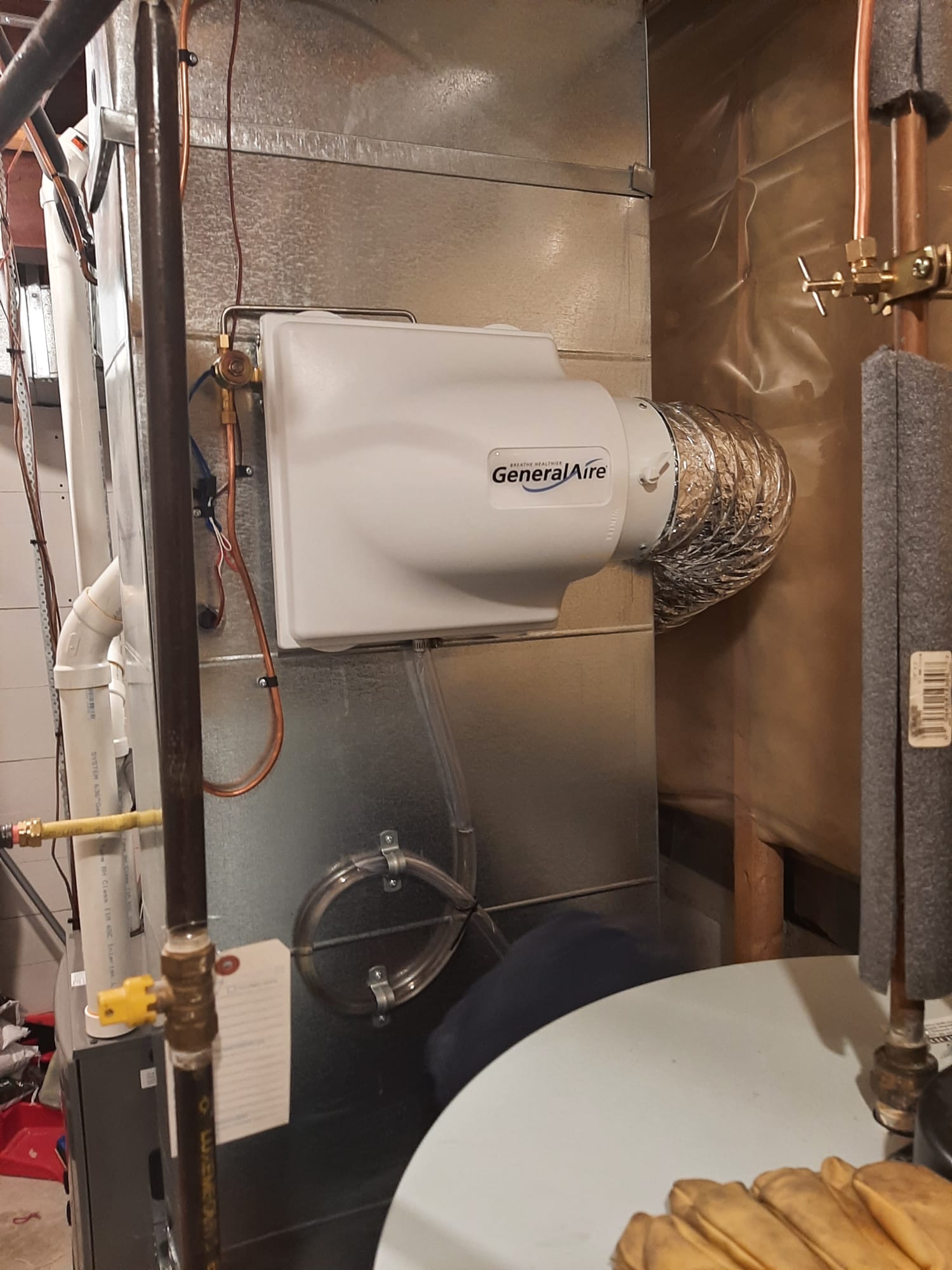
Many bypass and fan-powered whole-home humidifiers use a replaceable water panel or evaporative pad. Water flows across the media while air moves through the humidifier, allowing moisture to enter the airstream.
Mineral buildup can reduce how effectively the pad distributes water. The replacement schedule depends on the product, water quality, and use, so follow the manufacturer recommendations rather than waiting until the pad is completely blocked.
If the humidifier runs but indoor humidity never seems to improve, the pad, water flow, control, damper position, airflow, or equipment sizing may need to be checked.
Make Sure Water Is Draining Properly
Many whole-home humidifiers use a water supply and drain. A blocked drain or loose connection can create water around the furnace or ductwork, so check for visible leaks when the humidifier begins operating again.
Do not ignore water around HVAC equipment. Moisture can damage flooring, furnace components, finished spaces, and nearby materials. If you see an active leak, shut the humidifier off and arrange service.
Bypass, Fan-Powered, and Steam Humidifiers Work Differently
Whole-home humidifiers are not all the same. Bypass humidifiers use airflow and a pressure difference across the duct system to move air through the humidifier. Fan-powered models use an internal fan to move air across the water panel. Steam humidifiers create steam and introduce it into the ductwork.
Each design has different installation requirements, capacity, operating characteristics, and maintenance needs. The right system depends on the home, ductwork, heating equipment, desired humidity control, and budget.
If an older humidifier has never been able to keep the home comfortable, replacement should start with a review of the home rather than automatically installing another unit of the same type and size.
Humidity and Ventilation Need to Work Together
A humidifier adds moisture. An HRV or ERV exchanges indoor and outdoor air. Cooking, showers, occupants, plants, basement moisture, bathroom fans, and the home's natural air leakage all affect the final indoor humidity level.
That means a humidifier should not be adjusted without paying attention to what the rest of the home is doing. If windows are dripping with condensation while the humidifier is running, the setting may be too high or another moisture issue may be present.
If the house remains extremely dry even with the humidifier operating, the humidifier may need service, the equipment may be undersized, or the home may have other conditions affecting moisture retention.
A Furnace Tune-Up Is a Good Time to Ask About Humidity
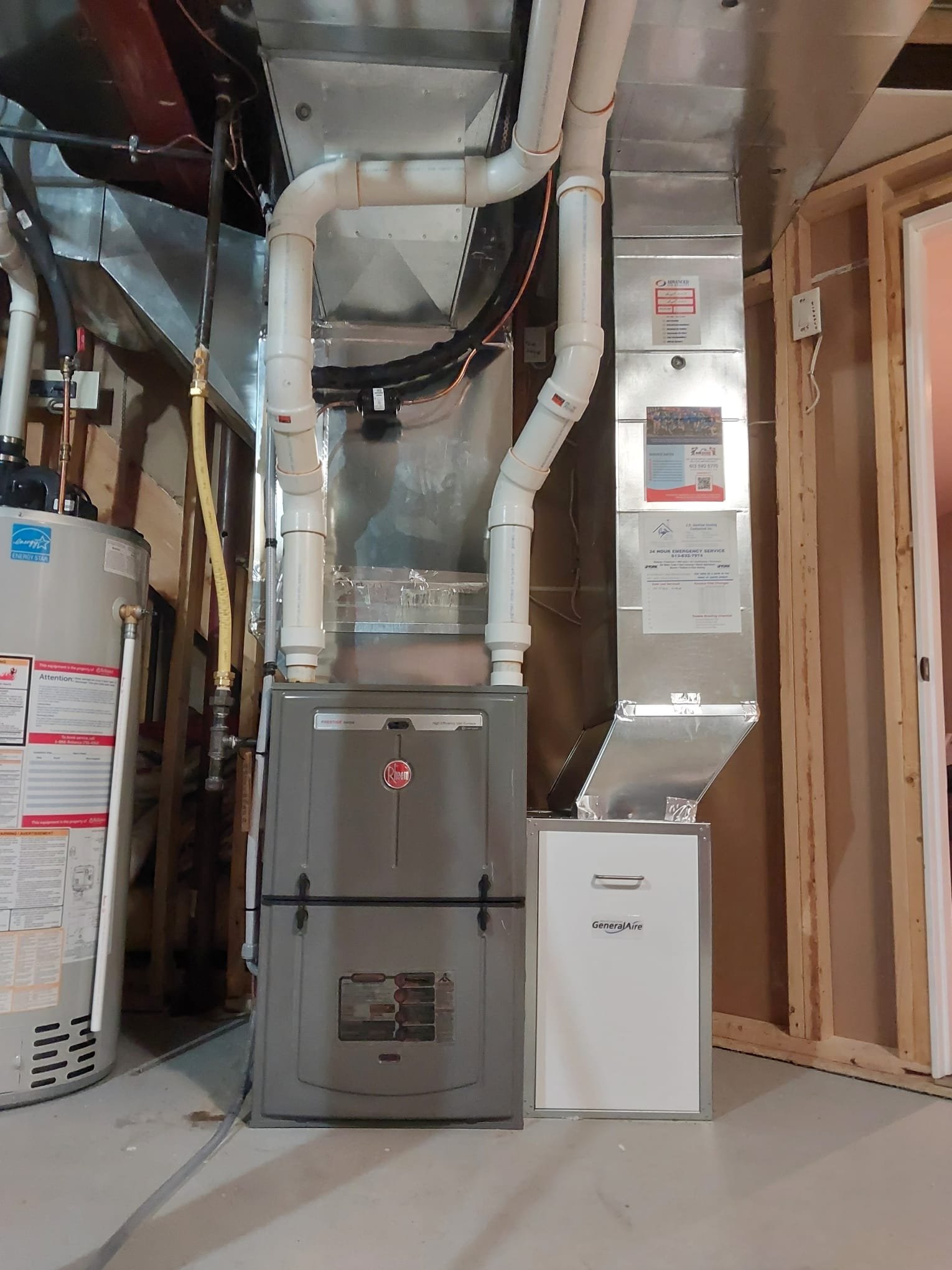
Whole-home humidifiers are commonly connected to forced-air heating systems, so furnace maintenance is a natural time to bring up winter humidity concerns.
During furnace service in Ottawa, tell the technician if the home was too dry last winter, if the humidifier leaked, if the control seemed unresponsive, or if you had persistent window condensation. Those details can help identify whether the humidifier needs maintenance, adjustment, repair, or replacement.
When a New Whole-Home Humidifier Makes Sense
Portable humidifiers can help individual rooms, but they require frequent filling and cleaning and do not provide the same whole-home approach. Homeowners who deal with dry air throughout the house may prefer a furnace-mounted system that works with the HVAC equipment.
A whole-home humidifier may be worth considering if winter dryness is persistent, the existing unit is no longer reliable, or the home has never had central humidity control. The installation should account for available duct space, furnace setup, water and drainage access, electrical requirements, and the amount of moisture the home actually needs.
Prepare Before Ottawa's Air Turns Very Dry
The best time to discover that a humidifier needs a pad, drain repair, control adjustment, or replacement is before the middle of winter. Check the equipment as heating season begins, start with a conservative humidity setting, and watch how the home responds as outdoor temperatures fall.
AirZone HVAC Services helps Ottawa homeowners with whole-home humidifier installation, service, winter setup, and related furnace and indoor air quality concerns. Proper humidity control is not about making the house as humid as possible. It is about finding a comfortable level that fits the home and the weather outside.