Early fall is when many Ottawa homes begin closing windows for longer stretches of the day. Once that happens, indoor air depends more on the home's mechanical ventilation system instead of natural airflow through open windows and doors.
That makes September a useful time to think about HRVs and ERVs. At AirZone HVAC Services, we install, replace, balance, maintain, and repair HRV and ERV systems for Ottawa homes. The two types of ventilators have a similar basic job, but they manage moisture differently, which is why the right choice depends on the home rather than a simple rule.
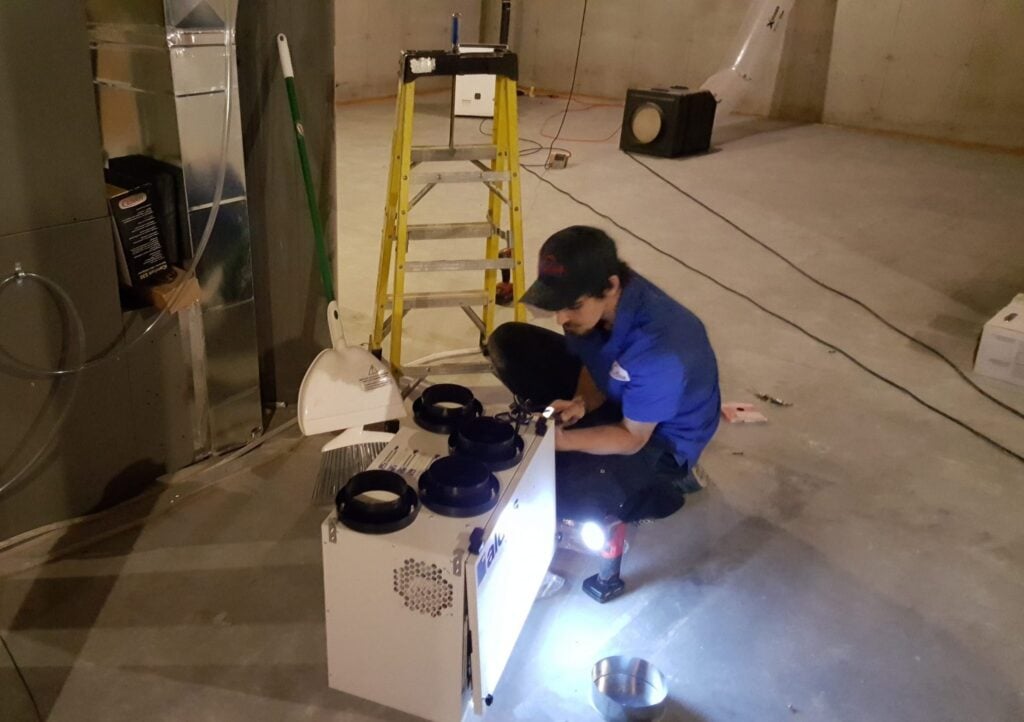
What an HRV and ERV Have in Common
Both a heat recovery ventilator and an energy recovery ventilator provide controlled fresh-air exchange. Stale indoor air is exhausted while outdoor air is brought into the home, and the two air streams pass through a recovery core without simply mixing together.
The recovery process helps reduce the amount of heating or cooling energy that would otherwise be lost if outdoor air were brought directly into the home without any energy transfer.
In a well-designed system, ventilation can help manage stale air, cooking and household odours, excess moisture, and the buildup of indoor pollutants while maintaining better efficiency than simply leaving windows open all winter.
The Main Difference Is Moisture Transfer
An HRV transfers heat between the outgoing and incoming air streams but does not intentionally transfer humidity through the core. An ERV transfers heat and also transfers a portion of the moisture between the two air streams.
That difference is important, but it does not mean that an HRV is always better for one type of homeowner and an ERV is always better for another. Occupancy, indoor humidity patterns, home construction, ventilation design, existing equipment, and year-round comfort goals all matter.
This is why a proper recommendation should start with the home. AirZone's detailed HRV and ERV comparison guide explains the basic operating differences for homeowners who want to understand the systems before requesting a quote.
Why Closed-Window Season Changes the Conversation
During summer, homeowners may naturally introduce fresh air by opening windows. As outdoor temperatures fall, windows remain closed and the home becomes more dependent on controlled ventilation.
Newer and renovated homes can be especially airtight. That is good for energy efficiency, but it also reduces uncontrolled air leakage. Without proper ventilation, cooking, showers, cleaning products, pets, occupants, and normal daily life can all contribute to indoor moisture and stale air.
An HRV or ERV is designed to provide a more predictable way to exchange air without giving up all the energy already used to condition the home.
Window Condensation Is Useful Information
Condensation on windows during cold weather often indicates that indoor moisture is high relative to the outdoor temperature and the temperature of the glass. It can be a useful clue, but it does not automatically tell you that the HRV or ERV is the problem.
Indoor humidity can be affected by cooking, showers, number of occupants, basement moisture, humidifier settings, drying clothes indoors, ventilation rates, and outdoor weather. Window quality and surface temperature also matter.
If condensation becomes persistent or excessive, look at the whole moisture picture rather than simply turning the ventilation system to maximum. Too much ventilation can create its own comfort and efficiency problems.
Fall Is a Good Time to Check Filters and Exterior Hoods
HRV and ERV filters can collect dust and debris over time. Homeowners should follow the manufacturer's instructions for filter access and cleaning. If filters are dirty, airflow through the unit can be reduced.
Exterior intake and exhaust hoods also need to remain clear. Leaves, insects, lint-like debris, and later snow or ice can interfere with airflow. Check the outdoor terminations before winter and keep the area around them unobstructed.
The recovery core may also need periodic cleaning, but care varies by manufacturer and core type. Follow the equipment manual rather than assuming every HRV or ERV core is cleaned the same way.
Check the Drain Before Winter
Many HRVs produce condensate during cold-weather operation and rely on a drain to remove that moisture. A blocked, disconnected, or improperly sloped drain can create leaking around the unit.
Before heating season, look for signs of water staining, disconnected tubing, or obvious drainage concerns around the ventilator. If the unit leaks during operation, stops moving air, or develops repeated frost problems, it should be professionally inspected.
Airflow Balancing Matters
An HRV or ERV should not simply move as much air as possible. Balanced ventilation means the supply and exhaust airflow are set appropriately for the home and the system design.
If airflow is poorly balanced, homeowners may experience pressure problems, drafts, poor ventilation performance, or unexpected moisture behaviour. Changes to ductwork, renovations, replacement equipment, or control settings can also affect the way the ventilation system performs.
Professional airflow balancing is especially important when a new HRV or ERV is installed or when an existing system no longer seems to ventilate the home properly.
Do You Need an HRV or an ERV?
There is no universal answer for every Ottawa home. An HRV may make sense in one house, while an ERV may be the better fit in another. The decision should consider winter humidity, summer humidity, occupancy, home tightness, ventilation needs, existing ducts, and how the homeowner wants the system to perform through the year.
If an existing ventilator is old, noisy, leaking, difficult to control, or no longer moving air effectively, replacement may also be worth discussing rather than automatically installing the same type again.
AirZone can review HRV and ERV installation, replacement, maintenance, repair, and airflow balancing based on the actual home rather than a one-size-fits-all recommendation.
Ventilation Is Part of the Whole HVAC System
Ventilation does not operate in isolation. Furnace airflow, filters, humidifiers, thermostats, bathroom exhaust, kitchen use, and household moisture all influence indoor comfort.
This becomes more noticeable as Ottawa moves from open-window weather into heating season. If the home starts to feel stale, excessively dry, unusually humid, or uncomfortable after windows close, consider how the ventilation system is operating before assuming the furnace or thermostat is the only factor.
A properly selected and maintained HRV or ERV can provide controlled fresh air while helping retain energy through Ottawa's long heating season. September is a good time to check the system before cold weather makes ventilation and moisture management more important every day.


0 comments:
Post a Comment