Showing posts with label Heat Pumps. Show all posts

Monday, September 14, 2026

Heat Pump Heating Season: What Ottawa Homeowners Should Check in September

September is a transition month for Ottawa HVAC systems. One week your heat pump may still be cooling the home, and the next it may be handling cool mornings and overnight heating. That ability to move between cooling and heating is one of the advantages of a heat pump, but it also means the equipment can work through more of the year than a traditional air conditioner.

At AirZone HVAC Services, we recommend using the shoulder season to make sure a heat pump is ready for heating duty. A few homeowner checks, combined with professional maintenance when it is due, can help uncover problems before colder weather puts greater demand on the system.
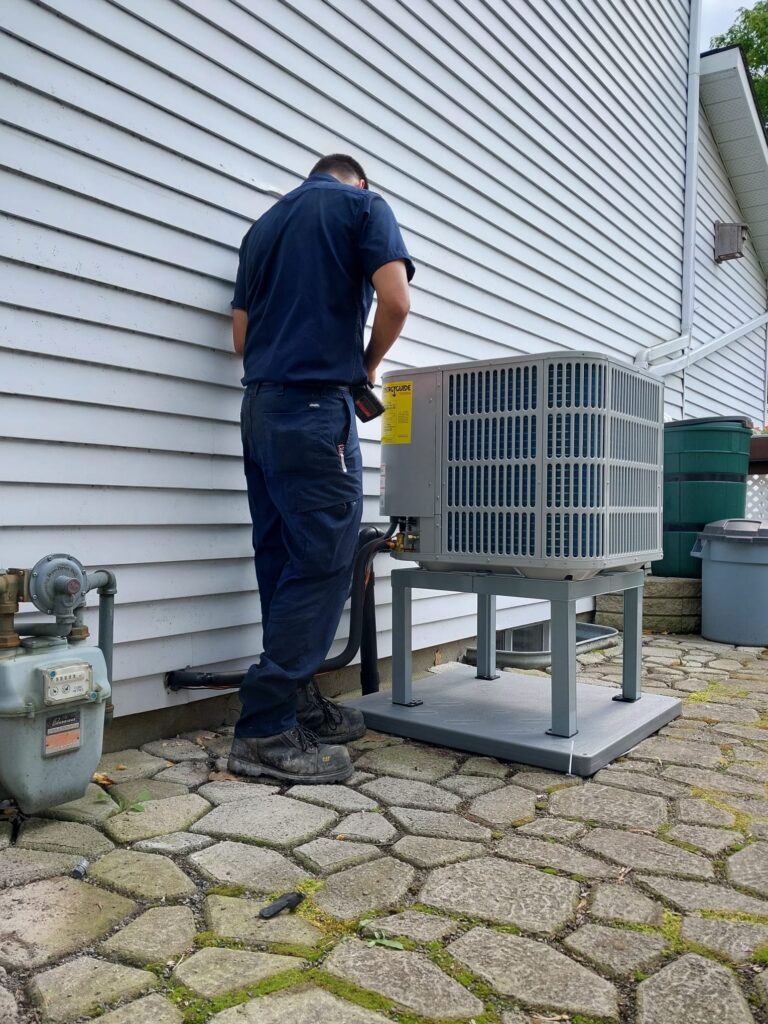
AirZone HVAC technician checking a heat pump at an Ottawa area home

Do Not Shut the Heat Pump Down Just Because Summer Is Over

A heat pump is not simply an air conditioner that should be switched off at the end of summer. The same system can reverse operation and provide heating as outdoor temperatures fall.

If you have a cold-climate or hybrid heat pump system, the controls are designed to determine how the heat pump and backup heating equipment should work together. Homeowners generally should not cover the outdoor unit or manually disable it just because the furnace begins operating during colder conditions.

If you are unsure how your particular system is supposed to transition between heat pump and furnace operation, September is a good time to ask. Understanding the controls before winter makes the system much easier to live with.

Clear Leaves and Debris From the Outdoor Unit

Fall leaves can collect around outdoor equipment quickly. A heat pump needs open airflow around the coil and fan, so keep leaves, weeds, grass, and stored items away from the unit.

Do not wrap or permanently cover a heat pump that will operate during heating season. Unlike an air conditioner that may sit idle all winter, a heat pump needs access to outdoor air while it is heating the home.

Later in the season, snow should also be kept from building up around the unit. The outdoor coil needs space to exchange heat and the unit needs proper drainage during normal defrost cycles.

Check Filters and Indoor Airflow

Heat pump performance depends heavily on airflow. A clogged filter can reduce comfort and make the system work harder. Check the filter before heating season and replace it when needed according to the equipment and filter type.

If you have a ducted heat pump connected to a furnace or air handler, make sure supply vents and return grilles are open and unobstructed. If you have ductless equipment, clean the accessible indoor-head filters according to the manufacturer instructions.

Weak airflow, unusual odours, or a ductless head that looks visibly dirty may indicate that the system needs more than a basic homeowner cleaning.

Test Heating Before the First Cold Night

Do not wait until the house is uncomfortable to find out whether heating mode works. Choose a cool September morning, set the thermostat to heat, and give the system time to respond.

Heat pump supply air can feel different from the very hot air produced by a gas furnace. That does not automatically mean the system is malfunctioning. What matters is whether the heat pump can steadily warm the home and maintain the thermostat setting under appropriate conditions.

If the system runs but cannot raise the indoor temperature, produces an error code, trips a breaker, or repeatedly stops, arrange a diagnostic visit rather than continuing to reset it.

Review Thermostat and Hybrid-System Settings

Hybrid systems combine a heat pump with a furnace or other backup heat source. The thermostat or control system determines when each piece of equipment operates.

Those settings matter. If the furnace runs constantly during mild weather, the heat pump never seems to operate in heating mode, or the home becomes uncomfortable during equipment transitions, the controls may need to be reviewed.

Homeowners should avoid changing advanced balance-point or equipment-staging settings without understanding the system design. A properly configured hybrid system should coordinate the equipment automatically.

Some Frost Is Normal; Heavy Ice Is Not

During cold and damp weather, frost can form on an outdoor heat pump coil. The system is designed to periodically enter a defrost cycle to clear normal frost buildup.

A light coating that clears during normal operation is very different from an outdoor unit that becomes encased in heavy ice or stays frozen for long periods. Persistent ice can point to defrost, airflow, drainage, refrigerant, sensor, fan, or other operating problems.

If the unit develops heavy ice, do not chip at the coil with tools. That can damage the equipment. A system that is not defrosting normally should be professionally checked.

Ductless Heat Pumps Need Indoor-Head Attention Too

For ductless systems, the outdoor unit is only half of the maintenance picture. Each indoor head has filters, a coil, a blower wheel, and drainage components that affect airflow and comfort.

Homes with several ductless heads may need more maintenance time because every zone has its own indoor components. Bedrooms, basements, additions, and other frequently used zones can collect dust and buildup differently.

If a head has weak airflow, a musty odour, visible buildup, or water leakage, mention the specific zone when booking service. That information helps determine whether routine maintenance or deeper cleaning is more appropriate.

Maintenance and Repair Are Different Appointments

Heat pump maintenance is preventative care for equipment that is still operating. A fall service visit can review filters, accessible coils, outdoor unit condition, drainage, electrical components, controls, refrigerant performance, and heating operation where conditions allow.

If the system is not heating, is leaking water, repeatedly tripping a breaker, producing an error code, making a new mechanical noise, or developing heavy ice, book heat pump repair in Ottawa instead. An active failure needs diagnosis first.

That distinction is especially useful in September, when there is still time to resolve a concern before the system becomes an important part of daily heating.

Know What Your Heat Pump Is Expected to Do in Winter

Not every heat pump system is designed or configured the same way. Some Ottawa homes use a cold-climate heat pump as a major heating source. Others use a hybrid setup where the furnace takes a larger role as temperatures fall.

Equipment model, home heat loss, ductwork, thermostat setup, backup heat, and system design all affect how the system should operate. This is why a neighbour's settings or operating strategy may not be right for your home.

If you are still deciding how a heat pump should fit into your long-term heating plan, AirZone also provides information on cold-climate and hybrid heat pump options for Ottawa homes.

September Is an Ideal Time for the Heating Transition

The shoulder season gives homeowners a useful testing window. Clear the outdoor unit, check filters, confirm heating mode, and pay attention to how the controls manage the system. If professional maintenance is due, schedule it before the first sustained cold weather.

AirZone HVAC Services works with ducted, ductless, cold-climate, and hybrid heat pumps throughout Ottawa. A system that has been checked before winter has a better chance of moving smoothly from summer cooling into dependable fall and winter heating.

Monday, August 31, 2026

Why Ottawa Homeowners Compare Furnaces and Heat Pumps Together

When Ottawa homeowners start planning a furnace replacement, it is easy to focus only on the furnace. That makes sense because the furnace is the main winter heating system in many homes. However, if the air conditioner is also aging, comfort has been uneven, or rebates are part of the conversation, it may be smarter to compare the furnace and heat pump options together.

At AirZone HVAC Services, we help homeowners look at the full comfort system instead of treating each piece of equipment as a separate decision. A furnace, heat pump, indoor coil, thermostat, ductwork, and airflow setup all work together. Planning them together can make the final result more comfortable, efficient, and practical for the home.

Furnace and heat pump compatible heating system installed by AirZone HVAC Services in Nepean

Furnace Replacement Is Often a System Decision

A furnace replacement can look simple from the outside. The old furnace comes out, a new furnace goes in, and the home has heat again. In reality, the furnace is only one part of the comfort system.

The furnace blower may also move cooled air during summer. The ductwork affects heating and cooling comfort. The thermostat controls staging and operation. The indoor coil may matter if the air conditioner or heat pump is being replaced. If these pieces are not reviewed together, the homeowner may miss an opportunity to make a better long-term decision.

This is especially important if the existing equipment is old or mismatched. Replacing one part of the system without thinking about the rest can limit future options or create duplicated work later.

Why Heat Pumps Enter the Conversation

A heat pump can provide cooling in summer and heating support during milder weather. For many Ottawa homes, that makes it worth discussing when the furnace or air conditioner is already due for replacement.

This does not mean every home should automatically choose a heat pump. The right answer depends on the home, existing ductwork, electrical setup, fuel source, equipment age, rebate timing, comfort goals, and budget. However, the option should be reviewed before a homeowner commits to another cooling-only air conditioner or a furnace-only replacement.

Homeowners can learn more about AirZone’s heat pump installation in Ottawa when comparing whether a heat pump belongs in the overall replacement plan.

A Hybrid System Can Offer Flexibility

A furnace and heat pump combination is often described as a hybrid comfort system. In simple terms, the heat pump can provide cooling and heating support when conditions are suitable, while the furnace remains available for colder winter conditions.

This type of setup can be appealing because it gives the homeowner more than one way to heat the home. Instead of relying on only one piece of equipment for every condition, the system can be planned around seasonal performance, comfort, and backup heating needs.

For Ottawa homeowners, that flexibility can matter. Fall and spring weather often includes mild days, cool nights, and changing comfort needs. A heat pump can be useful during those shoulder seasons, while the furnace is still there when colder weather requires dependable heat.

The Air Conditioner Age Matters

If the air conditioner is newer, a furnace-only replacement may be the most practical path. There may be no reason to replace cooling equipment that is still reliable and properly matched to the home.

If the air conditioner is older, the conversation changes. Replacing the furnace now and the air conditioner shortly after may create duplicated labour, repeated disruption, and missed planning opportunities. In that situation, comparing a furnace and heat pump package may be worth considering.

This is not about replacing equipment before it is necessary. It is about understanding the full timeline. If both systems are aging, planning them together may create a cleaner and more strategic upgrade.

Comfort Problems Should Be Reviewed Before Equipment Is Chosen

Some homeowners are not only replacing equipment because it is old. They are replacing it because the home is uncomfortable. Rooms may heat unevenly, the second floor may be difficult to cool, the basement may feel different from the main level, or the system may be loud and inconsistent.

Those comfort issues should be discussed before choosing a new furnace or heat pump. A more advanced furnace, variable-speed blower, properly matched heat pump, better thermostat setup, or airflow review may help improve the final result.

Simply choosing the lowest furnace quote may not address the reason the homeowner started looking for replacement in the first place. Comfort planning should be part of the quote process.

Rebates Can Affect the Best Path

Rebates and incentive programs can influence the best HVAC replacement path. In many cases, rebates are more closely tied to eligible heat pump equipment than to a standalone furnace replacement. That means a homeowner replacing a furnace may want to ask whether adding or comparing a heat pump changes the project value.

Program rules can change, and eligibility depends on the home, equipment, timing, and active requirements. That is why rebate conversations should happen before installation, not after the equipment is already installed.

AirZone maintains a page for current Ottawa HVAC rebates so homeowners can start reviewing available options before choosing a furnace, air conditioner, heat pump, ductless system, or hybrid comfort system.

Financing May Also Change the Timing

Some homeowners prefer to replace one piece of equipment at a time because of budget. Others may decide that a larger planned project makes more sense if financing is available.

Financing can help homeowners compare the real project value instead of choosing a short-term fix that may not meet long-term needs. This is especially relevant when both the furnace and air conditioner are aging or when the homeowner wants to include a heat pump in the system plan.

AirZone’s HVAC financing options can be reviewed as part of a quote conversation for qualifying homeowners who want to compare replacement paths more comfortably.

Installation Details Still Matter Most

Even the right equipment can disappoint if it is not installed properly. Furnace and heat pump systems require careful attention to sizing, ductwork, airflow, electrical requirements, thermostat controls, drainage, venting, and start-up setup.

A hybrid system also needs to be planned so the equipment works together properly. The homeowner should understand how the heat pump and furnace will be used, what role each piece of equipment plays, and how the system will be controlled.

This is where a local HVAC contractor matters. Ottawa homes vary widely, and the right recommendation should reflect the actual home rather than a generic equipment package.

When a Furnace-Only Replacement Still Makes Sense

A furnace and heat pump package is not automatically the best answer. If the furnace is old but the air conditioner is newer, the budget is focused, or the homeowner wants the simplest replacement path, a furnace-only installation may still be the right choice.

A properly selected high-efficiency furnace can provide dependable winter heating when installed correctly. The key is to make that decision after understanding the alternatives, not before.

For homeowners who want to keep the project focused, AirZone can still provide furnace installation in Ottawa with attention to sizing, venting, airflow, thermostat setup, and long-term support.

Compare Before You Commit

The best time to compare furnace and heat pump options is before a no-heat emergency. A planned review gives homeowners time to ask questions, understand the equipment, review rebates, compare financing, and choose the path that fits the home.

If your furnace is older, your air conditioner is also nearing replacement, or you want a system that supports both heating and cooling comfort, it is worth discussing the full system before making a final decision.

AirZone HVAC Services helps Ottawa homeowners compare furnace replacement, heat pump installation, hybrid comfort systems, rebates, financing, and long-term maintenance support. The right answer may be a furnace-only replacement, a heat pump addition, or a full planned upgrade. The important part is making that decision with the full home in mind.

Monday, July 6, 2026

Why Some Ottawa Rooms Stay Hot Even With Central AC

If your central air conditioner is running but one or two rooms in your home still feel too warm, you are not alone. Many Ottawa homeowners deal with hot bedrooms, stuffy home offices, uncomfortable additions, or second-floor rooms that never seem to cool properly.

At AirZone HVAC Services, we help homeowners solve these comfort problems with practical cooling options. Sometimes the answer is improving the existing central AC system. In other cases, a ductless mini split may be the better way to add targeted comfort exactly where the home needs it.

Central AC Does Not Always Cool Every Room Evenly

A central air conditioner is designed to cool the whole home through ductwork. When everything is properly sized, balanced, and maintained, this can work very well. However, many homes have rooms that are harder to cool than others.

The issue may not mean the air conditioner is broken. The AC may be producing cool air, but the home may not be distributing that air evenly. Long duct runs, weak airflow, poor return air, insulation gaps, sun exposure, or closed doors can all make one area feel warmer than the rest of the house.

This is especially common in two-storey homes where upper bedrooms get hotter than the main floor. The thermostat may be satisfied downstairs while the upstairs bedrooms remain uncomfortable.

Second-Floor Bedrooms Are a Common Problem

Second-floor rooms often absorb more heat during the day. Warm air rises, roof exposure adds heat, and ductwork may have a harder time delivering enough cool air to the upper level. By bedtime, the main floor may feel comfortable while the bedrooms still feel too warm.

Lowering the thermostat can help temporarily, but it may also make the rest of the house too cold. It can also force the central air conditioner to run longer than necessary, which may increase wear on the system without fully solving the comfort imbalance.

If the same rooms are always hot, the home may need a more targeted solution rather than simply pushing the central AC harder.

Home Offices and Additions Can Be Difficult to Cool

Home offices, sunrooms, garage conversions, and additions often have different comfort needs than the original part of the home. These spaces may have more windows, less insulation, longer duct runs, or no ductwork at all.

A room with computers, monitors, printers, or other equipment can also gain heat during the day. If someone works from home, that room may need steady cooling even when the rest of the house does not.

In these cases, a ductless mini split can be a strong option because it cools the specific space directly. Instead of overcooling the entire home to make one room comfortable, the homeowner can control that problem area on its own.

Finished Basements Can Have the Opposite Problem

While upper floors often feel too hot, finished basements may feel cooler than the rest of the home. This can make central cooling tricky. If the thermostat is located upstairs, the AC may run until the main level is comfortable while the basement becomes too cold.

In other homes, a finished basement may need more airflow, better humidity control, or a different comfort strategy altogether. The right answer depends on the layout, insulation, ductwork, and how the space is used.

This is why a proper comfort review matters. The issue may involve the air conditioner, but it may also involve airflow, zoning, duct design, humidity, or room-by-room use.

When Ductless Cooling Makes Sense

Ductless cooling can make sense when one area of the home has a comfort problem that the central system cannot easily solve. A ductless mini split provides targeted cooling without requiring major duct renovations.

This can be helpful for bedrooms, home offices, additions, workshops, older homes, finished garages, and rooms with heavy sun exposure. It can also work well in homes that do not have existing ductwork.

AirZone’s ductless mini split air conditioner options are designed for homeowners who want room-by-room comfort, efficient cooling, and a more flexible approach than relying only on central air.

Ductless Systems Can Also Provide Heating Support

Many ductless systems are heat pumps, which means they can provide both cooling and heating. During summer, they operate as an air conditioner for the room or zone. During cooler weather, they can provide heating support in the same area.

This can be valuable for rooms that are uncomfortable in more than one season. A home office that overheats in summer may also feel cold in fall or winter. A ductless heat pump can help manage that room without changing the comfort setting for the entire house.

For Ottawa homes, the system still needs to be selected properly. Room size, insulation, ceiling height, sun exposure, outdoor unit placement, and heating expectations all matter.

When Central AC Service Should Come First

Ductless is not always the first answer. If the central air conditioner is not cooling properly, freezing, blowing warm air, or short cycling, the system may need repair before adding new equipment.

If the AC is operating but has not been maintained recently, seasonal service may also be a smart first step. A dirty filter, restricted airflow, outdoor condenser issue, or blower concern can make the whole home feel less comfortable.

For working systems that need seasonal care, homeowners can book air conditioning service in Ottawa. If the system is actively failing, a diagnostic repair visit is the better appointment.

Do Not Oversize the Solution

When one room is hot, it can be tempting to replace the entire central air conditioner with a larger unit. However, bigger is not always better. An oversized AC can cool too quickly without removing enough humidity, and it may still fail to solve airflow problems in the rooms that need help most.

A good recommendation should identify the real cause of the comfort issue. If the central system is properly sized but one room has unique needs, a ductless mini split may be more effective than increasing the size of the main AC.

The goal is not just colder air. The goal is balanced comfort, reasonable energy use, and equipment that fits the way the home is used.

Local Home Design Matters

Ottawa has many different home styles, including older homes, townhomes, two-storey suburban homes, bungalows, rural properties, and newer builds with finished basements. Each type of home can have different cooling challenges.

A room that faces west may overheat in the afternoon. A bedroom over a garage may feel warmer than the rest of the house. An older home may have limited ductwork. A newer home may still have comfort problems if airflow is not balanced well.

This is why the best solution should come from a local review, not a one-size-fits-all recommendation. AirZone HVAC Services helps homeowners across Ottawa compare central AC, ductless cooling, heat pump, and maintenance options based on the actual home.

Get the Right Comfort Solution for the Room

If one room or area of your home is always hotter than the rest, the answer may not be to keep lowering the thermostat. The better approach is to understand why that room is uncomfortable and choose a solution that fits the cause.

Sometimes central AC service, airflow correction, or repair is enough. Other times, ductless mini split installation gives the homeowner better control, better room comfort, and a more practical way to solve a persistent hot spot.

AirZone HVAC Services can help Ottawa homeowners review the full cooling picture and decide whether central AC, ductless cooling, or another option makes the most sense. When the system is matched to the room and installed properly, comfort becomes much easier to manage.

Monday, June 29, 2026

Replacing Your AC? Why Ottawa Homeowners Should Compare Heat Pumps

When an older air conditioner is nearing the end of its life, many Ottawa homeowners start by looking for another central AC. That can still be the right choice, but it is no longer the only option worth comparing. In many homes, replacing an air conditioner is also the right time to ask whether a heat pump makes more sense.

At AirZone HVAC Services, we help homeowners compare cooling replacement options based on the home, the existing HVAC system, and the way the family wants to use the equipment. A standard air conditioner may be the best fit for some homes, while a properly selected heat pump can provide both summer cooling and heating support during cooler weather.

An AC Replacement Is a Good Time to Review All Options

Many homeowners wait until their air conditioner fails before comparing replacement equipment. That often creates pressure to make a quick decision during hot weather. When possible, it is better to compare options before the existing system stops working completely.

If your air conditioner is older, noisy, unreliable, or struggling to cool the home, replacement may already be on the horizon. Instead of automatically choosing the same type of system again, this is a good opportunity to review whether your comfort needs have changed.

Some homeowners simply want dependable cooling. Others want better humidity control, quieter operation, lower operating costs, or a system that can also provide heating support in spring and fall. Those goals can influence whether a central air conditioner or heat pump is the better choice.

How a Heat Pump Differs From a Standard Air Conditioner

A central air conditioner is designed to cool the home during warm weather. A heat pump can also cool the home, but it can reverse operation and provide heat when outdoor conditions allow. That added flexibility is one of the reasons heat pumps have become more common in Ottawa replacement conversations.

During summer, a heat pump works much like an air conditioner. It helps remove heat from the home and improve indoor comfort. During cooler parts of the year, it can provide heating support without always relying on the furnace.

This does not mean every homeowner should replace an AC with a heat pump. It means the option should be compared carefully, especially when the existing air conditioner already needs to be changed.

Ottawa Homes Have Different Heating and Cooling Needs

Ottawa homes are not all built the same way. Some have newer ductwork and modern insulation. Others have older layouts, finished basements, additions, second-floor comfort problems, or rooms that are difficult to cool. These details matter when choosing HVAC equipment.

A heat pump may be a strong option for a home where the homeowner wants both cooling and seasonal heating support. In another home, a high-quality central air conditioner may still be the more practical recommendation. The decision should be based on equipment condition, home layout, airflow, insulation, budget, and long-term comfort goals.

This is why a proper in-home assessment matters. A generic recommendation may miss important details that affect performance after installation.

When a Central Air Conditioner Still Makes Sense

A standard central air conditioner can still be a very good choice. If your furnace is in good condition, your main goal is reliable summer cooling, and you do not need additional heating support, a central AC replacement may be the straightforward option.

Modern central air conditioners in Ottawa can offer quieter operation, improved efficiency, and better comfort when properly sized and installed. For many homes, that is exactly what is needed.

The key is not to dismiss central AC. The key is to compare it against a heat pump before making the final decision. Homeowners should understand what each option does well and how each system fits the rest of the home’s HVAC setup.

When a Heat Pump May Be Worth Comparing

A heat pump may be worth discussing if your air conditioner is aging and you are already planning a replacement. Since the system can provide both cooling and heating support, it may offer more year-round value than replacing the AC with another cooling-only system.

Heat pumps can be especially interesting for homeowners who want to reduce how often the furnace runs during milder weather. They may also be worth considering for homes where comfort, noise, humidity control, or future HVAC planning are part of the decision.

For homeowners who want to learn more about this option, AirZone’s Ottawa heat pump information page explains how heat pumps fit local homes and why system selection matters.

The Existing Furnace Matters

When replacing an air conditioner, the furnace should not be ignored. In many Ottawa homes, the furnace blower helps move cooled air through the ductwork during summer. That means the condition and performance of the furnace can affect how well a new AC or heat pump distributes air.

If the furnace is newer and working well, the replacement conversation may focus mainly on the outdoor cooling equipment and indoor coil. If the furnace is older, airflow is poor, or a larger HVAC update is likely soon, the conversation may need to include the full system.

This is especially important with heat pump planning. The system needs to be matched to the home and integrated properly with the existing or future heating equipment.

Do Not Choose Based Only on Equipment Price

Price matters, but it should not be the only deciding factor. A lower-cost replacement that does not solve comfort problems may not provide good value. A more advanced system may also be unnecessary if the home only needs a simple, dependable cooling solution.

Homeowners should compare the full picture: installation quality, system sizing, efficiency, comfort, noise, warranty, service support, and how the system will be used over time. A heat pump may cost more upfront than a basic AC replacement, but it may provide added functionality that matters to the homeowner.

On the other hand, a central air conditioner may be the smarter choice when the extra heating capability is not needed. A good recommendation should explain both options clearly.

Installation Quality Is Critical

Whether you choose a central AC or a heat pump, the installation matters. Proper sizing, refrigerant practices, coil matching, electrical work, drainage, thermostat setup, and airflow review all affect the final result.

A strong piece of equipment can still underperform if it is not installed correctly. This is why homeowners should work with a local HVAC contractor that understands Ottawa homes and takes the time to review the full system before recommending equipment.

The best replacement is not just the model on the quote. It is the system that is correctly selected, professionally installed, and supported after the job is complete.

Make the Comparison Before the AC Fails

The best time to compare central air conditioners and heat pumps is before the old AC fails completely. Planning ahead gives you time to ask questions, review options, understand pricing, and choose equipment that fits your home.

If your current air conditioner is still working but showing signs of age, this is a good time to start the conversation. If it is already not cooling properly, a diagnostic visit may help determine whether repair or replacement makes more sense.

AirZone HVAC Services helps Ottawa homeowners compare practical cooling and heat pump options with clear recommendations. Whether the right answer is a new central air conditioner or a heat pump, the goal is the same: reliable comfort, proper installation, and equipment that fits the home.

Friday, May 1, 2026

Why Moovair Heat Pumps Make Sense for Ottawa Homes

Ottawa homeowners are paying closer attention to heat pumps because they can provide both heating and cooling from one system. For many homes, that makes them a practical option when replacing an older air conditioner, planning a furnace upgrade, or improving comfort in rooms that never seem to feel right.

One brand that continues to get attention in the local market is Moovair. At AirZone HVAC Services, we work with Ottawa homeowners who want HVAC equipment that fits the realities of our climate, our homes, and our expectations for year-round comfort.

Moovair heat pump installed for an Ottawa home

Moovair Is a Practical Heat Pump Option for Ottawa

A good heat pump decision should start with the home, not just the equipment name. Ottawa homes vary widely. Some have traditional ductwork, some rely on boiler or radiant heat, and others have additions, upper floors, garages, or finished basements that are difficult to keep comfortable.

Moovair heat pump systems can be a strong fit because the product lineup includes options for different types of homes. Some homeowners may be looking for a central heat pump that works with existing ductwork. Others may need a ductless system for targeted comfort in specific rooms. The right choice depends on layout, insulation, electrical capacity, comfort goals, and how the system will be used in both summer and winter.

That flexibility is important in Ottawa because many homeowners are not simply replacing one box with another. They are trying to solve comfort problems, improve efficiency, reduce reliance on older equipment, or prepare their home for future heating and cooling needs.

Heating and Cooling From One System

One of the main reasons homeowners consider a Moovair heat pump is the ability to use one system for both heating and cooling. During the summer, the system can operate as an air conditioner. During cooler weather, it can provide heat by moving heat energy instead of creating heat the way a traditional electric resistance system does.

For Ottawa homeowners, this can be especially useful during spring and fall. These shoulder seasons often include cool mornings, mild afternoons, and changing comfort needs throughout the day. A heat pump can help manage those in-between temperatures without always relying on the main heating system.

In winter, the overall design of the home and the chosen equipment matter even more. Some homes may use a heat pump as a primary heating source, while others may use it as part of a hybrid setup with a furnace. This is why proper design and installation are so important. A heat pump should be selected based on the home’s real heating and cooling needs, not guesswork.

Ducted, Ductless, and Multi-Zone Possibilities

Moovair can be part of several different comfort strategies. A ducted system may be appropriate for homeowners who already have forced-air distribution and want a central solution. A ductless system may be better for homes without ducts, older homes with boiler heat, additions, workshops, home offices, or rooms that need independent temperature control.

Multi-zone options can also help when different areas of the home have different comfort needs. For example, a second-floor bedroom may need more cooling in the summer, while a basement living space may need a different approach. Instead of treating the entire house as one temperature zone, a properly planned heat pump setup can help deliver comfort where it is needed most.

This is where a local consultation matters. Product selection should account for room size, ceiling height, sun exposure, insulation, airflow, and how the homeowner actually uses the space.

Why Installation Quality Matters With Moovair

Even strong equipment can disappoint if it is not installed correctly. Heat pumps are performance-driven systems, and the details matter. Sizing, line set practices, condensate drainage, electrical setup, equipment placement, control settings, and airflow all affect the final result.

For central systems, ductwork should also be reviewed. A heat pump connected to poor airflow may not deliver the comfort or efficiency homeowners expect. For ductless systems, indoor head placement is equally important. The unit should be installed where it can distribute air properly without creating drafts or short-cycling comfort.

AirZone’s role is not just to provide equipment. It is to match the right system to the home and install it in a way that supports long-term performance. That is especially important with cold climate heat pump systems, where design decisions can affect comfort during both mild and extreme weather.

Moovair for Older Ottawa Homes

Older Ottawa homes often create unique HVAC challenges. Some were not built with modern central air conditioning in mind. Others have limited ductwork, uneven temperatures, or rooms that were added after the original heating system was installed.

For these homes, a Moovair ductless or multi-zone heat pump may help solve comfort problems without requiring major duct renovations. This can be valuable in areas where homeowners want better cooling, supplemental heating, or more control over specific living spaces.

In some cases, a central Moovair heat pump may also be worth considering if the home already has usable ductwork. The goal is to choose the system that fits the structure instead of forcing the home into a one-size-fits-all solution.

Moovair for Newer Homes and Replacement Projects

Newer homes can also benefit from a thoughtful heat pump recommendation. If an existing air conditioner is aging, a homeowner may decide to compare a standard AC replacement with a heat pump upgrade. Since a heat pump can provide cooling and heating support, the comparison should include more than the upfront equipment cost.

Homeowners should consider comfort, noise, operating strategy, future furnace plans, potential rebate eligibility, and how the system will work over the next decade. A basic air conditioner may still be the right answer for some homes, but a Moovair heat pump may provide a broader comfort solution.

For homeowners just starting that comparison, AirZone’s main Ottawa heat pump information page is a helpful place to learn more about how heat pumps fit local homes.

A Local Recommendation Is Better Than a Generic One

Moovair is not the right fit for every home, and no HVAC brand should be recommended without understanding the full situation. A proper recommendation should include the home’s size, layout, existing equipment, insulation, airflow, electrical requirements, comfort concerns, and budget.

That local review is what helps separate a good installation from a frustrating one. Ottawa homeowners need equipment that makes sense for our winters, our humid summers, and the different types of homes found across the city.

If you are comparing heat pumps, replacing an older air conditioner, or trying to improve comfort in a specific part of your home, Moovair may be worth discussing. AirZone HVAC Services helps homeowners across the Ottawa service area compare practical options and choose equipment that fits the way they actually live.

The best heat pump is not just the one with strong specifications. It is the one that is properly selected, professionally installed, and supported by a local team that understands the home it is going into.