On cool October mornings, an Ottawa hybrid system may heat the house with its heat pump, then bring on the furnace as outdoor temperatures fall or heating demand changes. That can be normal. An electric heat pump and a gas or propane furnace share the heating work according to the home's needs and the way the equipment is controlled.
The important question is why the change happens at that temperature. The answer involves heating capacity, running cost and the controls connecting the two appliances. The setting must work through autumn and colder winter weather; one generic temperature cannot suit every Ottawa home.
When the heat pump can no longer carry the heating load
As outdoor temperatures fall, your home needs more heat to maintain the same indoor temperature. Meanwhile, the heat pump's available output changes with outdoor conditions. The temperature where its heating capacity matches the home's heat loss is called the thermal balance point. Below that point, the heat pump alone cannot supply all the heat the house needs.
This is different from the manufacturer's lowest operating temperature. A unit may be permitted to run in very cold weather while producing less heat than your particular house requires. Its operating limit does not establish how far into an Ottawa winter it can heat the whole home by itself.
A sound design compares a current heat-loss calculation with cold-weather performance data for the installed outdoor unit and matched indoor equipment. The old furnace's size or the heat pump's nominal tonnage cannot answer that question. Insulation and air-sealing improvements can change the heating load, which is one reason two homes with similar equipment may need different changeover settings.
For a new hybrid system, this belongs in the heat pump installation design, alongside duct airflow, furnace compatibility and thermostat selection. Moving the switchover lower cannot create heating capacity the installed system does not have.
When the furnace costs less to run
A heat pump can still provide enough heat at a temperature where the furnace is less expensive to operate. That is the economic balance point, and it can differ from the thermal balance point. Prioritizing lower operating cost may therefore produce a different setting from prioritizing less furnace use.
The useful comparison is the cost of delivered heat. For a heat pump, the electricity price is divided by its coefficient of performance, or COP. A COP of three means the heat pump delivers three units of heat for each unit of electricity it uses. For the furnace, fuel cost must be converted to the same energy unit and adjusted for furnace efficiency.
The calculation needs current bills and the heat pump's performance at the temperatures being considered. A seasonal efficiency rating cannot replace that temperature-specific data. Consumption-based delivery charges and applicable taxes matter; fixed monthly charges that remain either way should be kept separate.
Natural Resources Canada's sizing and selection guide also explains how time-of-use electricity prices can change an economic switchover point. A fixed threshold can be a practical control strategy, but it cannot guarantee the cheapest heat during every rate period.
Why the thermostat may bring the furnace on sooner
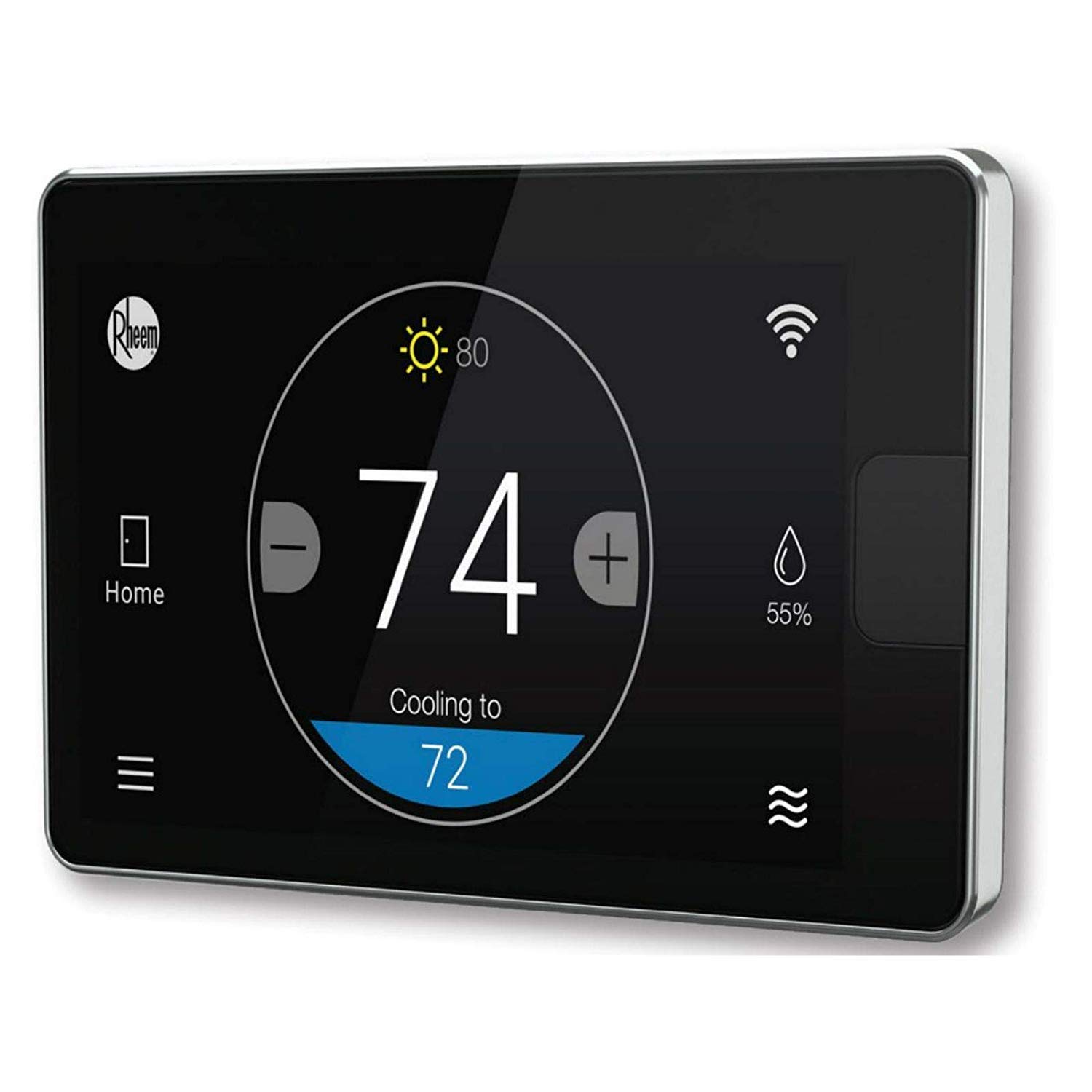
Outdoor temperature is only part of the control sequence. An inaccurate outdoor-temperature reading can affect the decision too. Depending on the system, the thermostat may also respond to how far the room temperature is below the setpoint and how long the equipment has been running. A large increase in the requested temperature, including recovery from an overnight setback, may call for furnace heat even when the heat pump would normally maintain the house on its own. If furnace use clusters around morning recovery, the schedule and staging deserve review first.
There can also be a deliberate pause between heat sources. For example, the Bosch BCC100 controls guide describes separate outdoor changeover, delay and staging settings. Those features illustrate why a thermostat default is not a complete heating strategy; other controls have their own operating logic.
Defrost is another temporary change in operation. An air-source heat pump uses defrost cycles to remove frost from its outdoor coil. What happens indoors during that cycle, including fan and backup-heat operation, depends on the equipment and its approved sequence. The installer needs to confirm whether one heat source must stop before the other starts, using the instructions for that exact equipment combination. Settings copied from another home may not suit your system.
Normal changeover or a heating problem?
Heat pump air may feel less hot than furnace air, and longer heating cycles can be normal. If the house holds its set temperature and the system follows its intended sequence, furnace operation by itself does not establish a fault. Light outdoor frost that clears during defrost can also be expected.
A diagnostic visit is warranted when you notice:
- The indoor temperature keeps falling despite a call for heat
- Heavy ice remains on the outdoor unit or heating repeatedly stops
- Error codes, repeated breaker trips or a sudden, unexplained change in operation
For an operating system whose changeover needs review, AirZone's heat pump service covers thermostat staging, backup heat and balance-point settings. If the system is failing to heat, book a heat pump repair diagnostic so we can identify the cause before recommending an adjustment or repair.
Tell us when the change occurs and whether it follows a schedule adjustment. We can review the equipment and controls, explain when each heat source should run, and confirm whether the system is doing what your Ottawa home needs.


0 comments:
Post a Comment